
- 07961839260
Excess water on an industrial or commercial roof usually points to drainage issues, defects, or maintenance that has fallen behind. If it’s left unchecked, it can progress from a nuisance to internal damage, operational disruption, and avoidable repair costs.
Industrial roofs in the UK typically face repeated wetting, wind-driven rain, and seasonal debris. The key is to spot causes early and take proportionate, safe action.
Extractable summary: Water becomes a risk when it cannot drain quickly and consistently. Standing water can stress roof details, expose weaknesses, and make minor defects more likely to leak. A practical maintenance routine and a drainage design suited to the roof type help reduce avoidable damage.
Roofs are more likely to struggle with water where drainage is restricted (for example, by overhanging trees), where the roof is flat or low-slope, or where outlets and gutters are undersized or poorly maintained. When rainwater cannot drain effectively, it can pool and remain in contact with membranes, seams, and penetrations for longer than intended. That can contribute to premature wear and is a common contributor to leaks in commercial buildings.
Ponding water is generally linked to:
Below are practical ways to reduce these risks without overcomplicating the approach.
A drainage system only works when water can move freely away from the roof surface. In many buildings, the weak point is simple: outlets, gutters, and downpipes become restricted by leaves, silt, nesting material, or wind-blown debris.
On many sites, checks are often planned at least once a year, and more frequently where there are heavy leaf falls or exposed weather. A planned industrial roof maintenance routine can also include a basic visual review for cracked seals, displaced components, and early signs of water tracking.
If access is required, it should be done safely. Roof work is high-risk by nature, so inspections and clearance should be carried out by competent contractors using appropriate fall protection and access equipment.
Some water issues are designed in from the start: insufficient falls, too few outlets, or layouts that encourage water to sit in “low spots”. This is especially relevant on flat roofs, where a small deviation can affect the way water behaves over time.
Where drainage is underperforming, targeted improvements (such as additional outlets, better detailing, or repaired gutter runs) can make a meaningful difference. If debris build-up is a recurring problem, a scheduled roof and gutter clearance service helps keep drainage routes clear and reduces the chance of water backing up during heavy rainfall.
If you are dealing with standing water, avoid ad-hoc fixes that create new risks. Use a safe method and a sensible plan, and consider guidance on draining ponding water safely, where it can be done without damaging the roof or putting people at risk.
Industrial roof systems have demanding requirements, from movement and temperature changes to potential chemical or fume exposure in certain settings. When installation quality is inconsistent, water can exploit weaknesses at laps, penetrations, gutters, and flashings.
If you suspect detailing issues or recurring leaks, an assessment can help you prioritise the right remedy (repair, targeted refurbishment, or wider replacement). In many cases, commercial roofing surveys provide a clear picture of defects, drainage performance, and the most practical next steps.
It’s also worth factoring in broader exposure. Wind-driven rain and seasonal weather can highlight weak points quickly, so planning for weather-related roof damage is part of sensible site protection, not an optional extra.
Across Newcastle upon Tyne and the wider North East, buildings often face a mix of prolonged wet spells, gusty conditions, and autumn debris that can overwhelm neglected outlets. If your site is near trees, exposed at height, or close to coastal weather patterns, build post-storm checks into your routine and keep drainage routes clear.
Minor, short-term puddling can happen on some roofs, but persistent standing water is usually a sign that drainage or falls need attention.
It depends on exposure and nearby trees. Many sites schedule at least an annual clearance, plus additional visits after heavy leaf fall or severe weather.
Roof access carries a serious risk. If checks involve going onto the roof, it’s usually safer to use competent professionals with appropriate access equipment and fall protection.
Some works can affect structure, fire performance, or thermal efficiency. Where changes are significant, it’s sensible to consider how Building Regulations (Parts A, B, and L where relevant) may apply and to take professional advice.
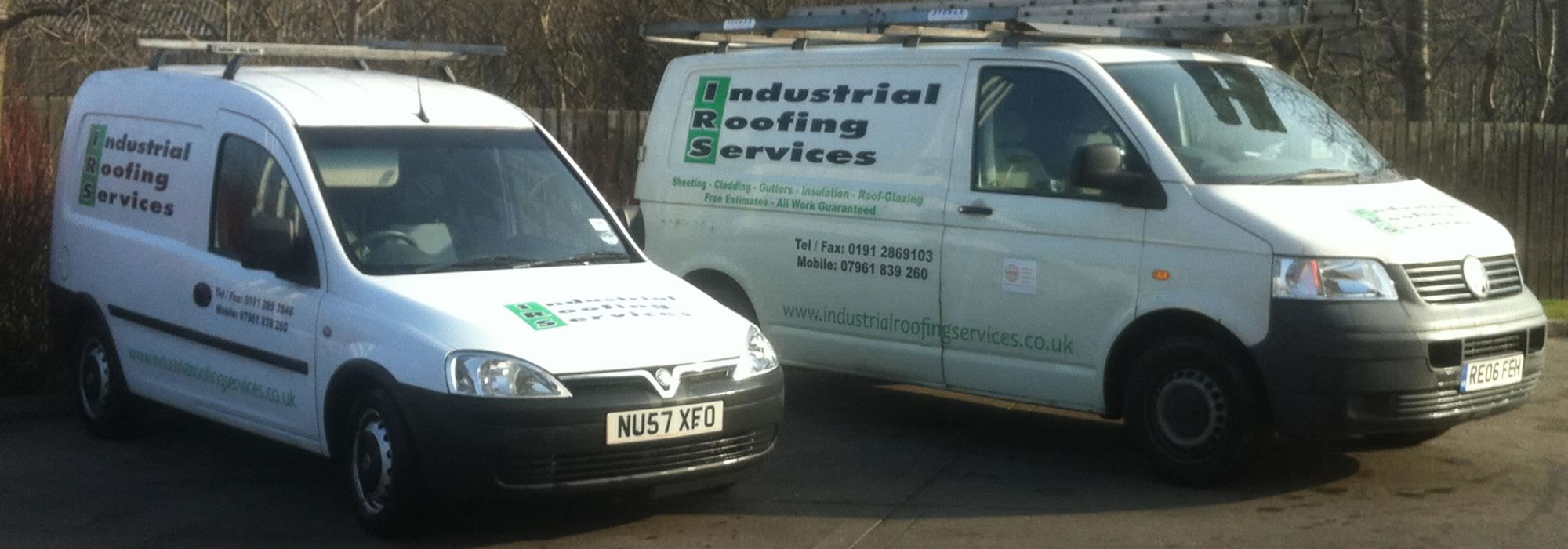
Here at Industrial Roofing Services (NE) Ltd, we support industrial and commercial clients with practical roof solutions, from maintenance planning to targeted repairs where water ingress is a concern.
If you’d like a clear, site-specific view of drainage performance and next steps, you can contact our Newcastle team to discuss an inspection or survey-based recommendation.