
- 07961839260
Insulation is a core part of keeping a commercial building comfortable and energy-efficient. When it’s specified and installed correctly, it can help stabilise internal temperatures, reduce avoidable heat loss, and support day-to-day building performance.
Below are eight practical reasons many building owners and facilities teams prioritise insulation upgrades, especially where running costs, comfort, and long-term upkeep matter.
Quick Summary
Summary statements: Better insulation can improve thermal performance and comfort in many commercial buildings. Results depend on the existing construction, air leakage, ventilation strategy, and how the building is operated. A competent survey helps you target the right areas and avoid unintended moisture issues.
Commercial building insulation can reduce heat escaping through roofs and envelope elements, which often helps lower the energy needed to maintain workable internal temperatures. The real-world impact varies by building age, existing condition, air leakage, and how the space is used.
Insulation can help reduce cold spots, draughts, and rapid temperature swings that make spaces difficult to manage. In offices, retail units, and industrial workplaces, more stable temperatures can support comfort without constantly “chasing” the thermostat.
When a building holds heat more consistently, heating and cooling equipment may cycle less aggressively and maintain setpoints more steadily. This can support efficiency and reduce the likelihood of certain comfort complaints, although controls, zoning, and maintenance remain critical.
Upgrades that improve thermal performance can also reduce cold surface temperatures that contribute to condensation. However, insulation should be designed alongside ventilation and vapour control to help avoid trapping moisture within the roof or envelope, particularly in higher-humidity environments.
Some insulation and build-ups can help dampen external noise transmission, especially when combined with appropriate lining systems and sealed junctions. Outcomes depend on the structure and the main noise pathways (airborne vs. impact).
More stable internal conditions can reduce stress from frequent temperature changes and can help protect finishes and certain building components. It’s still important to address defects such as leaks, failed sealants, or damaged coverings so insulation isn’t asked to “mask” an underlying issue.
Improving thermal performance can support sustainability objectives and may contribute to a more marketable building. For many owners and tenants, energy performance and comfort are increasingly part of how premises are assessed and selected.
Insulation upgrades are most effective when they sit within a wider plan that addresses weathering, drainage, and roof condition. A structured approach to planned roof maintenance can help protect the investment and spot issues early.
In the UK, building upgrades may intersect with Building Regulations where works are notifiable or form part of wider alterations (for example, performance and safety requirements commonly associated with Parts A, B and L, depending on scope). In and around Newcastle upon Tyne, exposure to wind-driven rain and seasonal temperature swings can make careful detailing, especially at junctions, penetrations, and edges, particularly important.
If you manage older commercial or industrial stock, it’s also sensible to consider hidden risks before work starts (for example, fragile rooflights, access constraints, or legacy materials). Where there is any suspicion of asbestos-containing materials, stop and seek specialist advice before disturbing the roof or lining.
To align upgrades with operational needs and compliance expectations, it can help to review MEES and energy-efficiency compliance considerations early, especially for leased or tenant-occupied buildings.
If you are seeing persistent cold areas, condensation, mould, unexplained heat loss, or recurring roof defects, a competent inspection can help identify causes and avoid costly trial-and-error fixes. A commercial roofing survey can also clarify whether insulation work should be paired with repairs, drainage improvements, or ventilation adjustments.
If you’re planning broader energy improvements, the energy-efficient roofing solutions guide is a useful starting point for understanding options and trade-offs.
Common indicators include uneven temperatures, high heating demand, condensation on cold surfaces, and recurring comfort complaints. A survey is the safest way to confirm where heat loss is occurring and whether ventilation changes are needed.
Insulation often helps, but results depend on how the building is constructed, how airtight it is, and how heating and cooling are controlled. The best outcomes usually come from combining insulation with good maintenance and sensible controls.
It can if moisture is trapped or ventilation is inadequate. Proper design considers vapour control, ventilation rates, and cold bridging, so the upgrade reduces risk rather than moving it elsewhere.
Disruption varies by system and access. Many projects can be planned around operating hours, phased by area, and designed to maintain safe routes and weather protection while work is underway.
Insulation can help improve comfort and thermal performance in commercial buildings, and it often supports more predictable running costs when specified and installed properly. The most reliable results come from a joined-up approach that considers roof condition, ventilation, and the way the building is used.
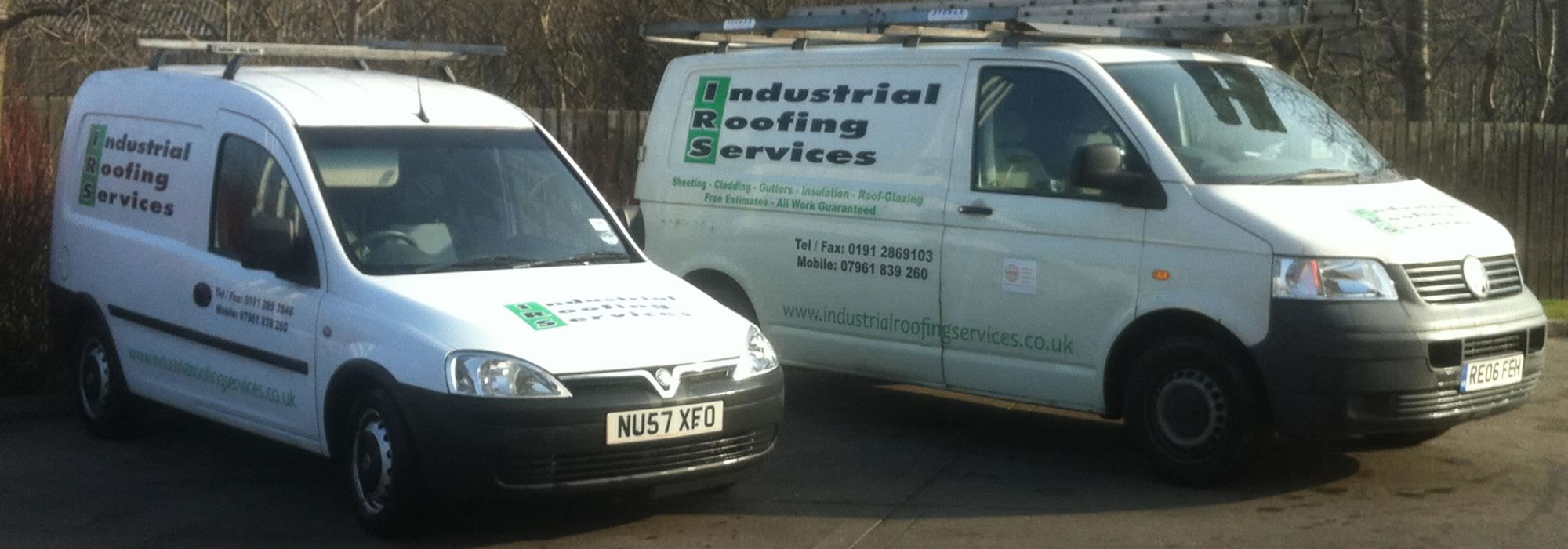
At Industrial Roofing Services NE Ltd., we provide practical insulation support for commercial and industrial buildings, with a focus on safe access, appropriate detailing, and realistic outcomes. You can also review feedback from previous clients via our client testimonials.
Contact our team to discuss your building and arrange the next steps.