Commercial roofing for hospitals is not “special” because the materials are magically different; it’s higher-risk because the building must stay safe, clean, and operational while people receive care. The practical outcome is stricter risk control, tighter coordination, and clearer documentation than you might accept on a typical commercial site.
This service guide explains what “higher safety standards” means in practice for UK hospital estates, how to structure a risk-based maintenance programme, and what to demand from contractors so that roof work is planned, controlled and recorded properly.
What “Higher Safety Standards” Mean for Hospital Roofs
In hospitals, the standard is simple: keep the roof watertight and safe while protecting patients, staff, and critical services. That means your approach must prioritise risk governance (falls, fire, asbestos, infection control) and operational continuity, not just “fixing the leak”.
In practice, hospital roofing work often needs:
- Safer access and tighter working-at-height controls (because roof work is inherently high risk).
- Planned controls for water ingress and drainage to avoid ward disruption, equipment damage, and contamination risk.
- Fire risk controls, especially when hot works are proposed, or the roof build-up is temporarily incomplete.
- Infection prevention and control (IPC) coordination so that dust, moisture, odours and work interfaces don’t compromise clinical areas.
- Evidence: clear records, photos, permits, surveys, and sign-off because you may need to justify decisions for compliance, governance and warranties.
Legal Duties & Accountability (UK): What Applies to Hospital Roofing
Hospital roofing is governed by the same core UK legislation as other non-domestic premises, but the consequences of failure are higher. As the client, your responsibility is to ensure the work is properly planned, competent people are used, and risks are controlled and documented.
Key duty areas you should recognise
| Duty area |
What it means for hospital roofing |
Client-side “must do” |
| Working at height and roof work safety |
Roof work must be planned and carried out safely; falls (and fragile roof risks) must be prevented or controlled. |
Require safe access planning, suitable controls, and competent supervision; do not allow informal access “for a quick look”. |
| CDM 2015 (Construction Design & Management) |
Hospitals commissioning construction work are commercial clients; client duties apply in full for managing health and safety. |
Make suitable arrangements, appoint competent dutyholders, and expect clear plans, risk information and handover records. |
| Fire safety duties (premises management) |
The premises must be managed to reduce fire risk; roofing works can introduce ignition sources and temporary vulnerabilities. |
Coordinate roofing works with the Responsible Person/fire safety team; manage hot works and temporary protection. |
| Asbestos management (where relevant) |
Older estates may contain asbestos-containing materials in roofing and associated elements. |
Check the asbestos register/surveys before intrusive work; stop work if suspect materials are found. |
| Healthcare-specific fire and IPC guidance |
NHS guidance exists to support fire safety and infection control planning in healthcare environments. |
Engage IPC and fire stakeholders early; require method statements that address clinical adjacency and risks. |
Note on devolved nations: The overall duties (safe work, fire safety management, building regulations) still apply across the UK, but specific guidance and enforcement routes can differ. If you manage sites in Scotland, Wales or Northern Ireland, align with local requirements in addition to the principles here.
Safe Access, Working at Height & Permit Control
Roof work is high risk even for short tasks, so safe access must be designed into your maintenance approach. Start by avoiding unnecessary roof access, then use controls that prevent falls before you rely on personal protective systems.
Decision criteria: choosing an access and control approach
Decision criteria
- When it fits: The method allows the task to be done with minimal time on the roof, protected edges, and controlled routes (for example, via designed access points and planned work areas).
- When it doesn’t: The method requires unprotected edge working, crossing fragile areas (rooflights, aged sheets), or “making do” with informal access.
- Risks to control: Falls from edges; falls through fragile roofs/rooflights; dropped objects; unauthorised access; night/poor-weather access; interaction with plant and cables.
- What to check/specify: Competence and supervision; permit-to-work for roof access; clear roof zoning; edge protection strategy; fragile roof controls; rescue/emergency arrangements; exclusion zones below.
Hospital-specific practical controls (client-side requirements you can set):
- Roof access is controlled via authorised routes only (keys/cards, sign-in/out, permit-to-work where required).
- Fragile roof management: rooflights and fragile sheets are identified, recorded, and treated as “do not step” unless a competent system is designed.
- Working hours and welfare planning consider clinical operations (noise-sensitive wards, theatres, rest periods, ambulance routes).
- Weather and emergency planning: stop criteria are explicit; temporary weathering and response steps are agreed upon for sudden rain events.
Safety boundary: This guide does not instruct people how to work on roofs. Hospital roof work should be planned and carried out by competent professionals using safe systems of work.
Hospital Operational Risks You Must Plan Around
Hospital roofing work must be planned around clinical risk and continuity of care. The key difference is not the roof itself; it’s the building’s sensitivity to dust, moisture, disruption, and changes to airflow.
What makes hospitals different operationally
- Infection prevention and control (IPC): construction and maintenance interfaces can create dust, moisture and contamination pathways; IPC teams should be engaged early for risk controls and sign-off.
- Critical services and plant: roofs often host ventilation, medical gas routes, data links, and power infrastructure; even minor damage can have an operational impact.
- Air intakes and exhausts: odours, dust and volatile compounds can be pulled into clinical environments if work is not controlled.
- Noise/vibration constraints: daytime access may not be acceptable near wards and theatres; phasing matters.
- Emergency access: helipads, ambulance routes, and emergency egress routes must remain functional and safe.
Decision criteria: whether a roof task needs IPC involvement
Decision criteria
- When it fits: Works are above/adjacent to clinical areas, involve penetrations/openings, create dust/odours, or may affect ventilation intakes.
- When it doesn’t: Minor external-only work well away from clinical zones with no openings and no ventilation/intake proximity (still requires safe access controls).
- Risks to control: Dust ingress, water ingress, microbial contamination, disruption to cleaning regimes, and compromised ceiling void integrity.
- What to check/specify: IPC review of method statement; containment/segregation approach; cleaning plan; monitoring and incident escalation route.
Roof Types & Systems Common in Hospital Estates
Hospitals often have mixed roof zones, so you should manage the estate as a set of roof “areas” with different risks rather than assuming one roof type. Identify each zone’s system, access constraints, and vulnerability points before you plan maintenance or refurbishment.
Common roof types you may be managing
- Flat roofs: single-ply membranes, reinforced bitumen systems, liquid-applied membranes, GRP, metal deck systems.
- Pitched roofs: tiles/slates, profiled metal, specialist entrance canopies.
- Specialist/complex zones: plant screens, rooftop plant decks, green roof areas (where present), rooflight-rich atria, service bridges.
Decision criteria: selecting an approach by roof system (high-level)
Decision criteria
- When it fits: The system choice suits the deck, load limits, foot traffic, detailing complexity, and fire risk constraints of the hospital zone.
- When it doesn’t: The system increases fire risk during installation, creates poor detailing around penetrations, or cannot be maintained without frequent disruption.
- Risks to control: Detail failures at penetrations; ponding/drainage stress; interface failures at parapets/upstands; installation fire risk; moisture/condensation performance.
- What to check/specify: Compatibility of all layers (deck, vapour control, insulation, waterproofing); method of attachment; interface details; maintainability; manufacturer requirements and handover documents.
If you are considering flat roof works, you can review typical system options via flat roofing services and then validate the selection through a competent survey and specification process appropriate to your building and risk profile.
Drainage, Falls & Ponding Risk
For hospitals, drainage performance is a safety issue as well as a building fabric issue. Keeping water moving off the roof protects clinical areas from disruption, reduces slip hazards on access routes, and helps prevent avoidable water ingress events.
What to inspect and manage as priority drainage items
- Outlets and strainers: blockage risk from leaves, litter, ballast movement and rooftop activity.
- Gutters and downpipes: overflow evidence, joint failures, and corrosion/damage.
- Overflows: confirm they exist and are functional where designed; treat overflow staining as a warning sign.
- Falls and low points: areas that routinely hold water indicate a design or settlement issue that may need more than “patch repair”.
- Parapets and upstands: water tracking behind details often shows up here first.
Decision criteria: Is it a “local repair” problem or a “water management” problem?
Decision criteria
- When it fits (local repair): The waterproofing defect is isolated, the surrounding substrate is sound, and drainage performance is broadly acceptable.
- When it doesn’t: Defects recur in the same zone, ponding persists, multiple outlets underperform, or the deck/falls appear distorted.
- Risks to control: Hidden saturated insulation; deck deterioration; repeat leaks into clinical areas; unsafe emergency interventions.
- What to check/specify: Outlet count and condition; blockage controls; evidence of overflow use; scope for drainage improvement; safe maintenance access for future cleaning.
Penetrations, Interfaces & Plant Zones
Hospital roofs fail most often at details, not in the middle of the field area. Your inspection and specification effort should focus on penetrations, junctions, and plant interfaces because that’s where movement, workmanship variability and maintenance traffic concentrate.
High-risk details to include in every inspection
- Service penetrations: pipework, ducts, cable trays, lightning protection routes, and supports.
- Upstands and flashings: parapet junctions, abutments, and terminations.
- Rooflights and fragile elements: cracked units, failed seals, unsafe access around units.
- Plant plinths and walkways: movement damage, ponding created by supports, and loose protection.
- Interfaces with cladding: wall-to-roof junctions, cavity barriers, and edge details (fire and water considerations).
Specification / Schedule: hospital roof survey and works scoping template
| Field |
What to record |
Why it matters in hospitals |
| Area/zone reference |
Block/wing, level, gridline/roof zone ID, access point |
Enables clear permits, safe access planning, and phased works around clinical operations |
| Roof type & system |
Flat/pitched/green; membrane type if known; approximate age if known (avoid guessing) |
Drives inspection focus, compatibility checks, and repair method selection |
| Deck/substrate & build-up notes |
Metal/timber/concrete deck; signs of deflection; insulation notes if evidenced |
Helps identify structural/moisture risk without relying on assumptions |
| Drainage points |
Outlet locations, overflows, gutters, downpipes, evidence of blockage/overflow |
Water ingress events can create major service disruption and infection control risk |
| Penetrations & plant interfaces |
List all penetrations; note the condition of seals/flashings; plant traffic routes |
Common leak pathways; also where maintenance activity concentrates |
| Access & fall hazards |
Edges, rooflights, fragile zones, permanent guarding, safe routes |
Working at height governance and permit-to-work requirements |
| Fire/hot works sensitivity |
Nearby intakes/voids; combustibility concerns; recommendation for “no torch” zones |
Hospitals require conservative fire controls and robust permit governance |
| Asbestos and hazardous materials check |
Asbestos register reference; survey status; “unknowns” needing verification |
Prevents uncontrolled exposure and project stoppages mid-work |
| Operational constraints |
Wards/theatres below; noise restrictions; access windows; emergency routes |
Supports safe phasing and continuity of care |
| Recommended actions |
Immediate controls; short-term repairs; planned refurbishment; further investigation |
Creates a prioritised plan rather than reactive call-outs |
| Evidence pack |
Photos, marked-up plan, defect log, proposed scope, and approvals required |
Supports governance, approvals, and contractor briefing |
Moisture & Condensation Risk
Hospital roofs must control moisture from both outside (rain) and inside (vapour) because hidden condensation can degrade insulation and structure over time. Treat condensation risk as a design and specification issue, not something to “solve” with quick fixes.
What to check/specify (client-side prompts)
- Confirm the roof build-up concept (warm roof vs cold roof vs hybrid) and whether the intended build-up is appropriate for the building use.
- Require competent moisture-risk consideration for refurbishments that change insulation, airtightness, or ventilation pathways.
- Pay attention to interfaces: penetrations, upstands, and ceiling void junctions can undermine intended vapour control.
- Do not assume existing layers are dry: surveys should consider trapped moisture risk where appropriate.
Decision criteria: when moisture risk needs specialist input
Decision criteria
- When it fits: You are changing insulation levels, altering roof build-up, adding new plant penetrations, or recurring internal damp is reported.
- When it doesn’t: Minor external-only repairs with no build-up change (still record the condition and re-check later).
- Risks to control: Hidden interstitial condensation, mould risk, reduced insulation performance, and long-term fabric deterioration.
- What to check/specify: Clear build-up drawings; continuity at penetrations/edges; manufacturer requirements; commissioning and handover requirements.
Maintenance Programme (Risk-Based): Inspection Cadence, Checklists & Escalation
A hospital roof maintenance programme should be risk-based and documented. Use a baseline cadence as a starting point, then increase frequency for higher-risk zones (busy plant roofs, complex penetrations, exposure, and known drainage issues) and after trigger events.
Maintenance schedule framework (typical starting point—adjust to risk and manufacturer guidance)
| Activity |
Baseline frequency |
Increase frequency when… |
Who should do it |
Records to keep |
| Visual condition check (from safe access points) |
Planned routine (e.g. monthly/quarterly depending on estate risk) |
High foot traffic roofs; historic leaks; heavy leaf fall; exposed sites |
The Estates team within agreed safe system / authorised access |
Log entry, photos, noted hazards/defects, actions raised |
| Drainage clearance and functional check |
Planned routine aligned to seasonal debris risk |
Known blockages, nearby trees, and outlets that have overflowed |
Competent contractor/maintenance provider under safe access controls |
Before/after photos, outlet list checked, waste disposal note |
| Formal roof inspection (documented survey of details) |
Typically scheduled at least annually; more often for higher-risk roofs |
Complex penetrations; ageing membranes; frequent plant works |
Competent roofing inspector/surveyor |
Inspection report, marked plan, defect schedule, recommendations |
| Post-event inspection |
After trigger events |
Storms/high winds; heavy rainfall; significant rooftop plant works; reported internal leaks |
Competent roofing contractor/surveyor |
Event note, photos, defects found, urgent controls applied |
| Planned minor repairs |
As raised by inspections |
When defects could escalate quickly (open laps, damaged flashings, unsafe edges) |
Competent roofing contractor |
Repair record, materials used, photos, warranty implications check |
Trigger events that should prompt a roof check
- Reported leaks, staining, or odours inside (treat as an operational risk, not just a fabric issue).
- Storm/high-wind events or unusual rainfall patterns affecting drainage performance.
- Any plant replacement/installation that adds penetrations, supports, or new traffic routes.
- Blocked outlet/overflow evidence or repeated ponding reports.
- Any internal works that change ventilation/airflow pathways near roof voids.
Hospital roof inspection checklist (what to look for)
- Safety first: confirm authorised access, safe route, edge/fragile controls, and exclusion zones below.
- Waterproofing field areas: splits, cracks, blisters, punctures, exposed reinforcement, loose seams, signs of temporary patching.
- Details and junctions: upstands, terminations, parapet flashings, edge trims, movement joints.
- Penetrations: pipe/duct seals, flashings/boots, plinths, supports, cable trays, fixings.
- Drainage: outlet condition, debris accumulation, gutter joints, downpipe connections, overflow staining.
- Plant zones: walkway integrity, damage from foot traffic, loose ballast/protection, housekeeping.
- Moisture indicators: damp smells, internal ceiling staining patterns, localised bubbling that suggests trapped moisture (requires competent interpretation).
- Fire risk signals: evidence of previous hot works, combustible storage on the roof, and uncontrolled penetrations into voids.
Reporting template (use as a standard record)
| Report field |
What “good” looks like |
| Date/time, weather, inspector name/company |
Clear attribution and context |
| Roof zone ID + access route used |
Links directly to drawings/asset register |
| Safety controls in place |
Confirms compliance with agreed safe system/permit controls |
| Drainage items checked |
Outlets/gutters/overflows listed with photos |
| Defects found (prioritised) |
Each defect has a location, description, photo, and risk rating (operational + fabric) |
| Immediate actions taken |
Temporary controls recorded (and who authorised them) |
| Recommended works and timeframe |
Clear scope notes; identifies what needs a specialist survey vs a straightforward repair |
| Stakeholders notified |
Estates lead; IPC/fire safety/clinical liaison where relevant |
Escalation rules: when to involve a surveyor/contractor urgently
- Active leak into a clinical area or any leak affecting electrical/medical equipment zones.
- Suspected structural instability, significant sagging, or signs of deck failure.
- Damage near edges/fragile zones where safe access cannot be assured.
- Repeated ponding/overflow events indicating drainage redesign may be required.
- Any suspicion of asbestos-containing material disturbance or unknown materials in older roof build-ups.
- Any proposal for hot works in sensitive zones must have a robust permit and fire risk plan.
Refurbishment Decisions: Repair, Overlay or Replace
The right option depends on substrate condition, moisture risk, detailing complexity, and how much disruption the hospital can tolerate. Use a competent survey to avoid “false economies” where a quick overlay hides a failing substrate.
Option 1: Targeted repair
Decision criteria
- When it fits: Isolated defects; sound surrounding areas; drainage and details broadly serviceable.
- When it doesn’t: Widespread defects, recurring leaks, or hidden moisture/substrate deterioration are suspected.
- Risks to control: Temporary patches becoming permanent; missed root causes at drainage/details.
- What to check/specify: Repair compatibility; detail reinstatement; post-repair inspection and records.
Option 2: Localised refurbishment (zone-based)
Decision criteria
- When it fits: One roof zone is failing, but others remain serviceable; phasing reduces disruption.
- When it doesn’t: Multiple zones are end-of-life, interfaces are interdependent, or drainage is shared and failing.
- Risks to control: Interface leaks between “new” and “old” work; temporary weathering risk during phasing.
- What to check/specify: Robust detailing at tie-ins; temporary protection plan; clear demarcation and warranties.
Option 3: Overlay (recover)
Decision criteria
- When it fits: Existing roof is structurally sound, dry enough for the proposed approach, and additional load is acceptable.
- When it doesn’t: Hidden moisture, degraded deck, or uncertain build-up; repeated failures at details and drainage.
- Risks to control: Trapped moisture; concealed defects; future maintainability; warranty limitations.
- What to check/specify: Survey evidence for substrate condition; structural confirmation; detail strategy; contractor and manufacturer requirements.
Option 4: Full replacement
Decision criteria
- When it fits: System-wide failure; major changes needed (drainage, insulation strategy, penetrations rationalisation).
- When it doesn’t: Disruption cannot be managed,d and phased alternatives exist (though phasing still requires strong temporary controls).
- Risks to control: Temporary weathering exposure; incomplete-roof fire risk; service interruptions; IPC impacts.
- What to check/specify: Phasing plan; temporary protection; stakeholder sign-offs (IPC/fire); detailed handover and maintenance plan.
Fire Risk Management During Roofing Works (Including Hot Works)
Roofing can introduce fire risk through ignition sources (hot works), temporary exposure of combustible layers, and incomplete build-ups. In hospitals, you should assume a low tolerance for uncontrolled fire risk and specify conservative controls.
Controls to require before work starts
- Early fire risk review with the Responsible Person/fire safety team for the affected zone(s).
- Method selection that reduces ignition risk where practicable, especially near sensitive areas and air intakes.
- Hot works permit governance when any hot work is proposed, aligned to hospital permit systems and recognised hot work control practices.
- Temporary works plan to manage the fire risk and weather risk of incomplete roof build-ups during phased works.
Decision criteria: when hot works are not a sensible default in hospitals
Decision criteria
- When it fits: A robust permit system, trained operatives, supervision, segregation, and post-work checks are demonstrably in place.
- When it doesn’t: Works are adjacent to vulnerable occupants, complex voids, sensitive intakes, or where ignition consequences are unacceptable.
- Risks to control: Hidden smouldering in voids/insulation, ignition of combustible materials, and delayed detection in roof spaces.
- What to check/specify: Completed risk checklists (where used), permit-to-work steps, fire watch arrangements, housekeeping and exclusion zones, and sign-off responsibilities.
If torch-on methods are proposed, consider a structured screening approach such as the NFRC Safe2Torch checklist as part of specification risk review, and require a clearly documented safe system of work and permit controls where hot works are unavoidable.
Documentation, Warranties & Compliance Records
For hospital roofs, documentation is not admin – it’s risk control. Good records support future decision-making, reduce repeat failures, and help demonstrate compliance and due diligence.
Records to keep (minimum practical set)
- Roof asset register with zone IDs, drawings/plans, known systems, access notes, and hazard notes (fragile zones, edge risk).
- Inspection reports with photos and a prioritised defect list.
- Permits and RAMS for high-risk tasks (roof access, hot works, lifting operations) as required by your governance.
- Fire safety coordination notes for works that affect fire risk or building fabric interfaces.
- IPC engagement notes where works interface with clinical areas or introduces dust/moisture risk.
- Asbestos register/survey references and confirmation of checks completed before intrusive works.
- Handover pack after refurbishments: drawings, product data, O&M requirements, maintenance schedule, and warranty documents.
How to Get This Done
To get hospital roofing done safely and efficiently, you need good information up front and a procurement process that rewards competence, planning and documentation, not just the lowest price.
What to gather before contacting contractors
- Roof zone plan (even a simple marked-up drawing) showing access points, edges, rooflights/fragile areas, plant zones and drainage locations.
- Known roof system information and previous repair/refurb history
- Recent defect/leak reports with dates, locations and photos (include internal ceiling stain maps if available).
- Operational constraints: wards/theatres below, noise restrictions, clinical liaison contacts, access windows, emergency routes.
- Fire safety and IPC stakeholders for the zone (who must review method statements).
- Asbestos register/survey status for the roof area and any penetrations/void interfaces.
What a good quotation/proposal should include
- Scope clarity: zone-by-zone description, drawings, and what is included/excluded.
- Method statement summary: safe access approach, fall prevention strategy, fragile roof controls, and permit requirements.
- Fire risk controls: how hot works are avoided or controlled; temporary works and incomplete-roof risk controls.
- IPC/operational controls: segregation, housekeeping, waste handling, and response plan for unexpected water ingress.
- Programme and phasing: sequencing that respects hospital operations; clear stop/hold points.
- Handover deliverables: inspection reports, photos, as-built details (where relevant), maintenance requirements, and warranty information.
What to include in a maintenance contract / SLA
- Inspection cadence and scope (risk-based, with trigger-event provisions).
- Drainage clearance responsibilities and response times during high-risk seasons.
- Emergency leak response process with clear escalation, temporary protection expectations, and documentation requirements.
- Reporting standards (photos, plans, defect prioritisation, recommended actions).
- Permit and governance alignment with hospital rules (roof access permits, hot works permits, clinical liaison).
- Quality and competence expectations (supervision, training evidence, and how workmanship is checked before sign-off).
What records to keep for compliance and warranty support
- Inspection and maintenance logs with evidence (photos and dates).
- Repair records detailing what was done, where, and by whom.
- Any manufacturer requirements for maintenance and inspection (and evidence you followed them).
- Permits and approvals relevant to higher-risk activities and sensitive zones.
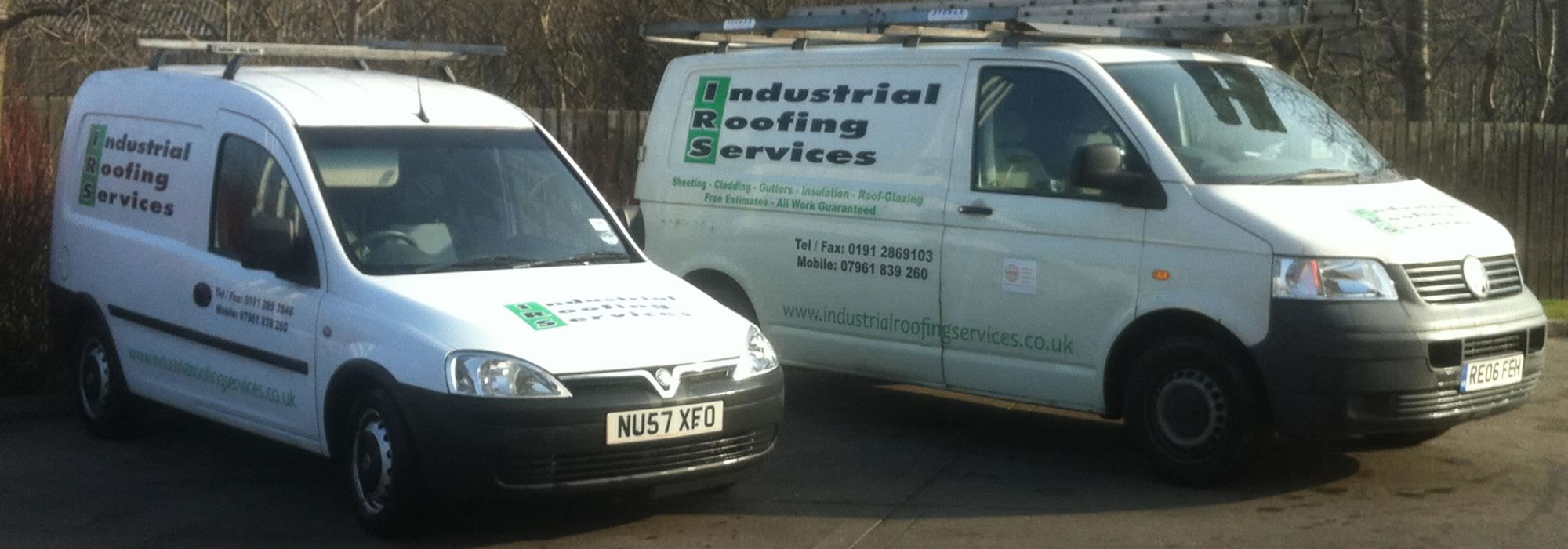
If you need help scoping or delivering controlled roofing works for a hospital, start with a sector-aware contractor and request a survey-led approach. You can contact Industrial Roofing Services to discuss your estate’s needs and required governance.
Summary
Hospital roofing must meet “higher safety standards” because the building is a high-risk environment that must stay operational, safe and clean. The practical requirement is stronger governance: safe access controls, fire and hot works discipline, IPC engagement where relevant, drainage reliability, and clear documentation.
A risk-based maintenance programme, supported by consistent inspection records, trigger-event checks, and clear escalation rules, helps prevent disruptive failures and supports compliance and warranty protection.
Frequently Asked Questions
Do hospital roofs have different laws from other commercial buildings?
The core legal duties are broadly the same, but hospitals often apply stricter internal governance because operational and patient risks are higher. Expect more stakeholder sign-off and tighter controls.
How often should a hospital roof be inspected?
Use a documented, risk-based approach: a baseline formal inspection at least annually is common, with more frequent checks for higher-risk roofs and after trigger events such as storms or plant works.
What should a hospital roof inspection report include?
A good report is zone-based and evidence-led: photos, a marked plan, prioritised defects, drainage checks completed, safety hazards noted, and clear recommended actions with escalation points.
Why do leaks in hospitals require a faster escalation path?
Leaks can disrupt clinical operations, affect equipment, and create contamination and safety risks. Treat internal water ingress as an operational incident requiring controlled response and documentation.
Can we allow “quick access” to the roof for minor checks?
Be cautious: roof work is high risk even for short durations. Use authorised access routes and safe systems of work; avoid informal access and uncontrolled movement near fragile zones and edges.
What is the biggest procurement mistake with hospital roofing?
Buying on price without demanding scope clarity, safe access planning, stakeholder coordination (fire/IPC), and evidence-based reporting. The result is often repeated call-outs and unmanaged risk.
How do we reduce fire risk during roofing refurbishment?
Prefer methods that reduce ignition risk where practicable, control hot works through permits and supervision where unavoidable, and manage the heightened vulnerability of incomplete roof build-ups during phasing.