
- 07961839260
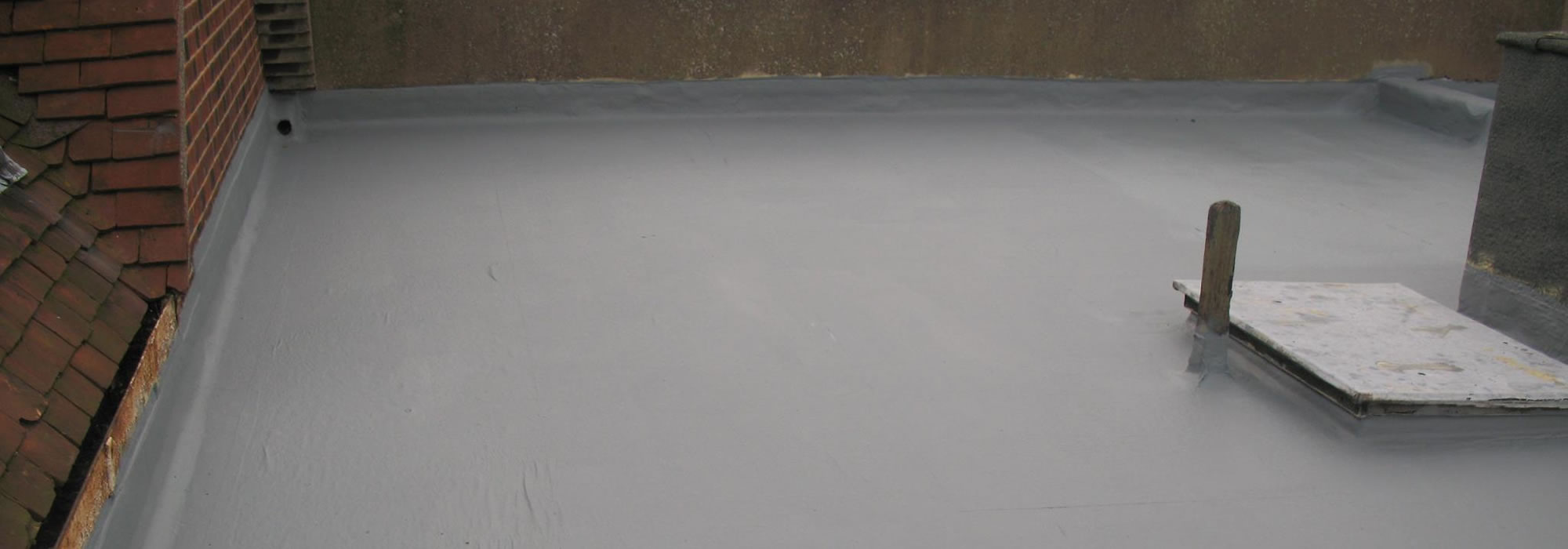
At Industrial Roofing Services (NE) Ltd we provide professional flat roofing installation. We serve commercial and industrial properties across Newcastle Upon Tyne. We specialise in GRP (Glass Reinforced Plastic), liquid, and single-ply roofing systems. Our team delivers weatherproof solutions that protect your investment. We work with businesses to identify the most suitable flat roofing system. Your choice depends on building requirements, budget, and operational needs.
We install three primary flat roofing systems. Each offers distinct advantages for commercial applications. Your choice depends on building structure, weight restrictions, expected foot traffic, and budget considerations.
GRP flat roofing uses Glass Reinforced Plastic to create a seamless, waterproof membrane. The system performs well in harsh weather conditions. It requires minimal maintenance over its lifespan. The lightweight material suits buildings with load restrictions. It also provides strong thermal performance.
We install GRP flat roofs that typically last 25-30 years. The material resists UV degradation, thermal expansion, and chemical exposure. We apply layers of fibreglass matting and resin during installation. This creates a single, jointless surface that eliminates common leak points.
We apply liquid roofing systems as a seamless membrane directly to your existing roof surface. This method works particularly well for complex roof shapes. It suits areas with multiple penetrations. The liquid application creates a continuous barrier. It adapts to substrate movement and temperature fluctuations.
We can apply liquid roofing systems quickly. This reduces disruption to your operations. The material demonstrates strong resistance to UV radiation, chemicals, and extreme temperatures. It suits food processing facilities, manufacturing plants, and healthcare buildings requiring stringent hygiene standards.
Single-ply membranes consist of large sheets joined together to form a complete roofing system. Common materials include TPO (Thermoplastic Polyolefin), PVC (Polyvinyl Chloride), and EPDM (Ethylene Propylene Diene Monomer) rubber. These materials offer strong weathering resistance and straightforward installation.
The lightweight nature of single-ply roofing makes it ideal for retrofit projects. It suits buildings with limited structural capacity. We install systems that provide 20-30 years of service. The material withstands UV exposure, ozone, and chemical exposure. It maintains flexibility across temperature ranges.
Several factors influence which flat roofing system suits your property. We conduct thorough site assessments to evaluate these considerations. We then recommend the most appropriate solution.
| Factor | GRP | Liquid | Single-Ply |
|---|---|---|---|
| Expected Lifespan | 25-30 years | 20-25 years | 20-30 years |
| Installation Speed | Moderate | Fast | Fast |
| Weight Load | Light | Very Light | Light |
| Complex Shapes | Good | Outstanding | Moderate |
| Maintenance Needs | Low | Low | Low to Moderate |
Building usage affects material selection. Food processing facilities benefit from liquid systems that meet hygiene requirements. Manufacturing plants with chemical exposure need chemically resistant membranes. Retail properties often prioritise cost-effectiveness and speed of installation.
Our installation process follows strict quality standards to deliver lasting performance. We begin with a detailed site survey to assess your existing roof structure. We identify underlying issues and determine the optimal system for your needs.
We coordinate installations to minimise disruption to your operations. Many projects can proceed whilst your business continues normal activities. Weather conditions and project complexity determine installation duration. Projects typically range from several days to a few weeks for larger buildings.
Planned maintenance programmes identify minor issues before they develop into costly failures. We recommend biannual inspections to check drainage systems, membrane condition, and vulnerable details around penetrations.
Common maintenance tasks include clearing debris from drainage outlets, inspecting and resealing joints, checking flashing details, and removing vegetation. Our maintenance service provides detailed reports with photographic evidence and prioritised recommendations.
Properties in exposed locations or with high pollution levels may require more frequent attention. Industrial buildings with chemical processes need quarterly checks to monitor material degradation. Regular maintenance typically costs 2-5% of replacement value annually. It prevents premature failure.
Several warning signs suggest your flat roof requires professional assessment. Internal water stains indicate active leaks requiring immediate investigation. Ponding water that remains 48 hours after rainfall signals drainage problems. These problems accelerate membrane degradation.
Addressing these issues promptly prevents water damage. You protect building contents, structural elements, and insulation systems. Early intervention typically costs 60-80% less than addressing advanced deterioration.
UK Building Regulations mandate minimum thermal performance standards for roof replacements and refurbishments. Current regulations require U-values of 0.18 W/m²K or better for most commercial applications. We incorporate appropriate insulation thickness to achieve compliance. We also manage installation depth carefully.
Fire safety requirements vary by building use and proximity to boundaries. Some projects require fire-rated membranes or additional fire barriers. Listed buildings face additional restrictions requiring conservation officer approval. We navigate these requirements to deliver compliant solutions.
Projects exceeding certain thresholds may require structural surveys to verify load capacity. We coordinate with structural engineers and building control officers. This secures necessary approvals before commencing work.
Installation quality directly affects flat roof performance and longevity. Professional installers follow manufacturer specifications precisely. We use compatible materials and understand how environmental conditions affect application.
Poor workmanship commonly appears as inadequate surface preparation, incorrect adhesive application, insufficient overlaps at seams, and poorly detailed penetrations. These failures often void warranty coverage. They require costly remediation.
We maintain manufacturer accreditations that require ongoing training and quality audits. Our installers understand substrate compatibility, adhesive cure times, weather limitations, and detail work around roof equipment. This expertise translates to installations that perform as designed throughout their expected lifespan.
Installation duration depends on roof size, complexity, and chosen system. Small commercial roofs (100-200m²) typically require 3-5 days. Larger industrial properties may need 2-4 weeks. Weather conditions and access limitations can extend timelines. We provide accurate schedules after site assessment.
Yes, though material choice affects feasibility. Single-ply systems install in most weather conditions. Liquid and GRP systems require minimum temperatures (typically 5°C) and dry conditions for proper curing. We monitor weather forecasts and adjust schedules to maintain installation quality throughout the year.
We offer manufacturer-backed warranties ranging from 10-25 years. Coverage depends on the system we install. These warranties cover material defects and workmanship failures. Extended warranties require compliance with recommended maintenance schedules. We provide clear warranty documentation outlining coverage terms and maintenance requirements.
Costs range from £40-£100 per square metre. Final pricing depends on system type, roof complexity, and access requirements. GRP systems typically cost more than single-ply but offer extended lifespans. Prices include surface preparation, materials, installation, and disposal. We provide detailed quotations after site assessment.
Most flat roof replacements constitute permitted development. They don’t require planning permission. Exceptions include listed buildings, conservation areas, and projects altering roof height or adding equipment. We advise on planning requirements during initial consultation. We can assist with applications where needed.
Biannual inspections should check drainage function, membrane condition, and detail integrity. Clear debris from outlets quarterly. Remove vegetation promptly. Inspect after severe weather. Professional inspections every 2-3 years identify developing issues. Maintenance costs typically run £200-£500 annually for average commercial properties.
Overlay installation is possible if the existing substrate remains structurally sound. Building codes must also permit additional load. This approach reduces costs and waste. However, concealing damaged substrates causes premature failure. We assess existing conditions to determine the best approach. We advise whether overlay or complete removal and replacement offers better value.
Proper detailing around vents, pipes, and equipment prevents common leak points. We use manufacturer-approved flashing systems, prefabricated boots, and sealants compatible with membrane materials. Critical details receive additional reinforcement layers. All penetrations include upstands that exceed standing water levels.
Ponding results from inadequate falls, structural deflection, blocked drainage, or settlement. Flat roofs appear horizontal but require minimum 1:40 gradient toward outlets. We use tapered insulation systems or structural overlays to create positive drainage. Addressing ponding prevents accelerated membrane degradation and potential collapse.
Yes, we provide 24/7 emergency response for urgent leaks and storm damage. Our team arrives within hours to assess damage and implement temporary weatherproofing. We then schedule permanent repairs once conditions permit. Emergency callouts help minimise secondary water damage to building contents and operations.