
- 07961839260
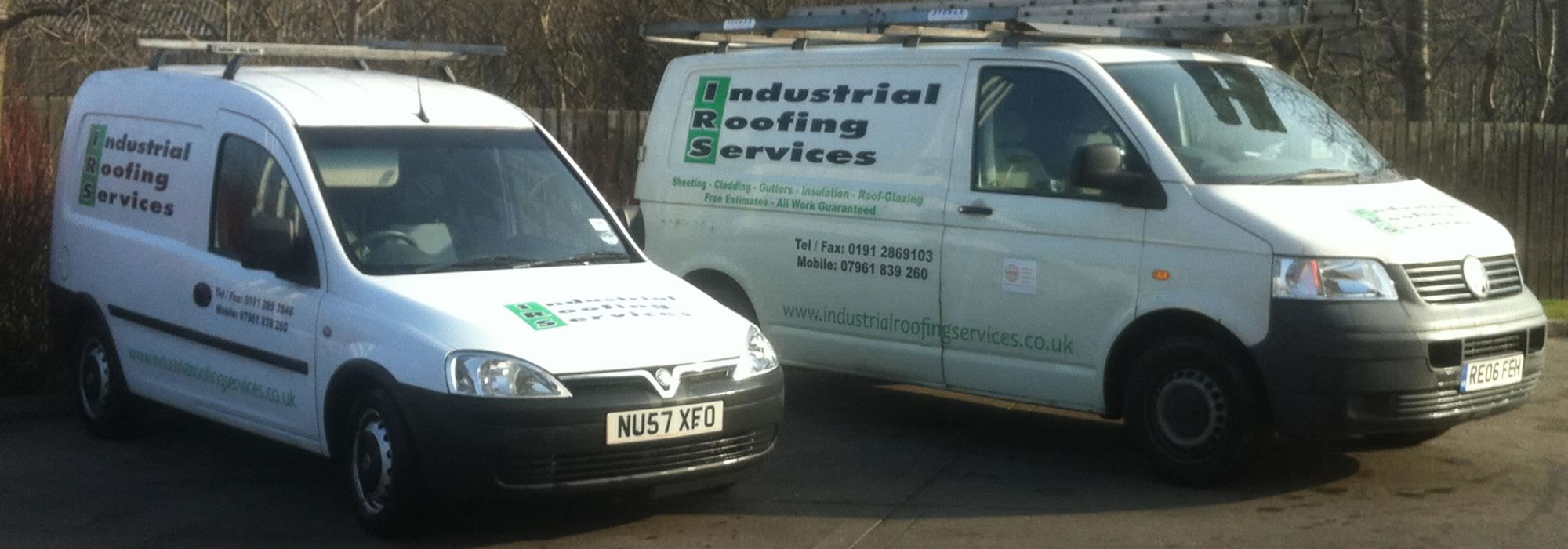
When it comes to industrial roofs, there are several material options to consider, and the right choice depends on the building’s use, exposure, and maintenance plan.
Cladding is a popular option for many commercial and industrial sites because it can improve weather protection and help refresh tired roof areas. Like any system, it has strengths and limitations that are worth weighing up before you specify it.
Below is a practical look at the pros and cons of sheet cladding for industrial roofs, with safety and UK site conditions in mind.
At A Glance: Cladding For Industrial Roofs
Cladding is a covering layer formed from panels, most commonly metal, plastic, or composite materials, installed as part of a roof build-up or as an over-roof solution where suitable. The panel profile, coatings, fixings and sealing details are critical to how well it performs over time.
In UK industrial settings, cladding is often specified to balance durability, weight, speed of installation, and whole-life maintenance. Where fire, corrosion, or hygiene requirements apply (for example, in manufacturing or food environments), the specification should be matched to the risk profile and operating needs.
Cladding systems typically use profiled sheets or panels fixed to purlins or supporting decks, with designed overlaps, fasteners and seals. In refurbishment projects, cladding may be used alongside overcladding strategies where a survey confirms the existing structure is suitable and moisture risks are properly managed.
A key benefit is robustness: many modern cladding systems are designed to tolerate day-to-day industrial exposure, including temperature swings and general wear. Depending on the specification, cladding can also contribute to fire performance requirements as part of an overall roof build-up—this should always be verified at the design stage rather than assumed.
Cladding can also simplify routine upkeep, as many surfaces can be inspected and cleaned without specialist treatments, provided safe access is in place. For planning long-term upkeep, it helps to align cladding choice with a realistic inspection regime, such as periodic checks supported by industrial roof maintenance.
Where thermal performance is a priority, cladding can be combined with upgraded insulation and vapour control to support comfort and efficiency goals. For sites considering energy performance improvements, it’s worth reviewing options with industrial roof insulation services so the full build-up is designed to manage condensation risk.
Despite its advantages, cladding is not a one-size-fits-all answer. Performance depends heavily on correct design, the existing substrate condition, and installation quality, particularly around fixings, seams, rooflights, and service penetrations.
Heat behaviour can vary by material. Metal sheets may warm quickly in direct sun and cool rapidly, which can contribute to movement and noise if the system is not detailed for expansion and contraction. Plastic systems may behave differently under UV exposure and temperature changes, so the correct grade and fixing detail are important.
Wind performance should be treated carefully. While many cladding systems are engineered for UK wind loads, wind uplift risk increases if fixings are inadequate, the substrate is compromised, or edge details are poorly formed. In exposed areas-such as coastal or high-ground sites-specification and installation standards matter just as much as the material choice. If you’re unsure, a professional assessment, such as commercial and industrial roofing surveys, can confirm suitability before works begin.
Water-tightness is also detail-dependent. Well-designed cladding can provide reliable weathering, but laps, fasteners, sealants and drainage paths must be specified correctly and kept in good condition. Regular inspections after storms and during seasonal change help identify early issues, particularly where debris or poor drainage contributes to standing water; guidance on this is covered in industrial flat roof drainage systems.
Overall, cladding can be an excellent option for many industrial roofs, but it should be selected based on exposure, building use, and maintainability. If there is any uncertainty, especially around the existing roof condition or work-at-height access, seek professional advice before committing to a specification.
Cladding options generally fall into three broad categories: metal, plastic and composite systems. Each comes with different strengths, and the “best” choice depends on your site, operational needs, and the roof’s intended performance.
Metal cladding commonly uses profiled steel or aluminium sheets, usually protected by coatings designed to resist corrosion. These systems are widely used across UK industrial roofs due to durability and the range of profiles and finishes available, particularly where long-term robustness and predictable detailing are priorities.
Plastic cladding is often based on PVC or similar polymers and can be lighter than metal. It may be considered for specific applications, but it should be selected with care, particularly where impact resistance, UV exposure, and fire performance considerations apply. As with all systems, the specification should follow the manufacturer’s requirements and the site’s risk profile.
Composite cladding can refer to systems that combine materials or incorporate insulated panels, offering advantages where thermal performance and speed of installation are key drivers. For businesses considering broader roof upgrades, it can be helpful to explore a wider view of options in a guide to the best roofing materials for industrial building projects.
The most suitable system depends on exposure, internal environment, and performance requirements such as corrosion resistance, hygiene considerations, and targeted thermal efficiency. It also depends on what your roof structure can safely support, especially on refurbishment projects where existing conditions vary.
A competent contractor should assess the roof, confirm loadings and fixings, and recommend an approach that fits your building and maintenance plan. If access is difficult or you want to reduce disruption, options like drone roof inspections can help capture high-level condition information before planning works.
Cladding cost can vary widely depending on the system type, roof size and geometry, access requirements, the condition of the existing roof, and any additional work needed (such as repairs, insulation upgrades, or drainage improvements). Because of these variables, it’s best to treat pricing as project-specific rather than assuming a fixed rate.
From an investment perspective, cladding can be worthwhile when it is specified to suit the building and supported by a sensible maintenance plan. The value typically comes from improved performance, managed risk of leaks and deterioration, and potentially enhanced thermal efficiency where insulation upgrades are included as part of the overall package.
Before proceeding, it’s sensible to consult a qualified roofing contractor who can inspect the roof and advise on the most appropriate system for your site conditions and compliance needs.
Summary
Cladding can be a practical way to improve roof protection and, when designed correctly, support better energy performance alongside insulation upgrades. If you’re reviewing options, our industrial roofing services team can help you understand what’s suitable for your building and how to plan work safely.
There are several cladding types on the market, so it’s important to match the system to your building’s exposure, internal environment and long-term upkeep. A professional survey and a clear maintenance approach will usually do more for roof performance than any single material choice.
If you have questions about cladding suitability, safe access, or specification options, please contact us, and we’ll point you in the right direction.
Cladding can improve an industrial roof’s protection and performance when it is correctly specified for the building and installed with suitable fixings and detailing.
Material choice and exposure conditions affect outcomes, so surveys and manufacturer-led specifications are important before committing to a cladding system.
Wind uplift, water-tightness, and condensation risk are usually controlled through design details and planned maintenance rather than the panel material alone.
In the North East, industrial roofs can face frequent wind-driven rain, seasonal storms, and temperature swings that stress fixings, seals and laps. For sites around Newcastle upon Tyne and coastal areas, it’s particularly important to specify systems with suitable corrosion protection and to plan inspections after severe weather.
If your building has high exposure, complex roof details, or ageing sheets, a professional assessment can help you choose a specification that balances durability, compliance considerations, and maintainability.
Not always. Suitability depends on the roof structure, existing condition, exposure, and how details like fixings and drainage will be handled. A survey is usually the safest starting point.
Cladding can provide reliable weather protection, but water-tightness depends on correct laps, seals, penetrations and drainage. Regular inspections help prevent minor issues from becoming leaks.
It can, particularly when combined with appropriate insulation and vapour control. The overall roof build-up should be designed to manage condensation risk and meet project requirements.
Use a competent contractor and follow work-at-height controls. In some cases, drone inspections can support early condition checks, but hands-on assessment may still be needed for detailing and moisture risks.