
- 07961839260
Architects and designers continue to explore new ways to give buildings character while still meeting the practical demands of weather exposure, maintenance access, and long-term performance. When specified well, sheet and cladding can support both a distinctive appearance and a robust external envelope.
Quick Summary
Sheet and cladding systems can combine visual impact with practical building protection when correctly designed and installed.
Durability and thermal performance depend on material selection, detailing, and ongoing maintenance rather than one component alone.
A good specification considers exposure, fire performance, condensation control, and safe access for inspection and repairs.
Traditionally, sheet and cladding panels have been viewed primarily for their protective qualities, safeguarding structures from the elements. However, a shift in perspective is underway. Today’s architects and designers recognise the wider design potential these systems can offer when the façade or roof build-up is treated as part of the architectural language.
With a wide range of finishes, textures, and colours available, these materials can help create strong visual effects. A building may use metallic finishes that change character in different light, or textured panels that cast shadows and add depth. The result can be a clean, contemporary envelope that still prioritises junction detailing and weathering strategy.
If you’re planning a project where appearance and performance have to work together, it can help to review the specialist sheet and cladding services early to understand practical options for profiling, interfaces, and fixing methods.
The value of sheet and cladding often lies in how well aesthetics and function are balanced. Beyond basic protection, these systems can contribute to weather resistance, controlled water run-off, and improved envelope consistency when installed with appropriate flashings and sealed interfaces.
Cladding and roofing build-ups can also support improved thermal performance when combined with suitable insulation, vapour control, and ventilation strategy. For design teams that want to reduce heat loss and manage condensation risk, aligning the cladding choice with the insulation approach is a practical step.
Where energy performance is a priority, it’s worth considering how the external envelope and industrial roof insulation work together, rather than expecting one layer to solve multiple issues on its own.
The range of available materials supports a wide spectrum of architectural intent. Common metals include aluminium, steel, zinc, and copper, each with different visual characteristics and suitability for particular exposures. Timber cladding can add warmth and texture, while composite panels can provide a lightweight and consistent finish when properly specified for the building’s use.
Detailing and selection should also consider how quickly finishes weather, how edges and cut surfaces are protected, and what access will be needed to inspect sealants, fixings, and interfaces over time. For a practical starting point, see guidance on how to choose the right sheeting for performance and design goals.
For teams aiming to create a building that feels “alive”, kinetic façades can introduce controlled movement and changing patterns across a surface. These approaches are typically specialist and need careful engineering, maintenance planning, and risk assessment.
Some systems use mechanical movement, and certain concepts use wind-driven elements. Depending on the design, movement can also help manage solar gain and daylight by adjusting shading, but the benefits are highly dependent on site conditions, orientation, and ongoing upkeep.
Sheet and cladding systems can be designed to do more than provide a neat external finish. In some projects, façade strategies may incorporate technologies that support building performance alongside the envelope.
For example, solar technologies can sometimes be integrated with the external envelope as part of a wider energy strategy, and drainage detailing can support controlled collection and discharge of rainwater. Any integration should be designed with safe access, maintainability, and long-term replacement in mind, rather than treated as a bolt-on feature.
Parametric design tools can support complex geometries and repeating patterns, allowing designers to test forms, module sizes, and tolerances before fabrication. The practical success still depends on how those forms translate into buildable components, safe fixing points, and weatherproof junctions.
Advancements in fabrication, including digital cutting and folding, can improve consistency and reduce on-site adjustments. Early coordination between the designer and fabricator remains essential to confirm achievable radii, joint strategy, and realistic installation sequencing.
In Newcastle upon Tyne and across the North East, designers often have to account for wind-driven rain, seasonal temperature swings, and (in some locations) increased corrosion risk from coastal air. This makes edge detailing, fixings, and protective finishes particularly important, especially on industrial estates where large spans and exposed roof zones are common.
Specifications should also reflect how the building will be used and maintained. Plant areas, roof access routes, and safe inspection points can be designed in from the start, helping to reduce disruption and risk during routine checks.
Where access, condition, or defects are uncertain, a structured inspection can be a safer starting point than assumptions. Many asset owners begin with commercial roofing surveys to understand condition, water ingress pathways, and priority risks before committing to major design decisions.
To leverage the full potential of sheet and cladding, careful consideration is needed during selection and specification. The first step is a clear understanding of the project’s requirements, including building use, exposure, maintenance constraints, and the desired appearance.
Materials should be chosen to support the design intent while meeting performance needs. For example, coastal or high-exposure sites often require stronger corrosion strategies, while buildings that prioritise energy efficiency may focus on envelope continuity and thermal detailing.
Once materials are selected, specifying the details becomes critical. This includes thickness, coatings, joint strategy, interfaces with gutters and rooflights, and the intended installation method. Clear detailing can reduce the risk of leaks, wind uplift issues, and premature coating failure.
Protective finishing choices can also influence durability and maintenance requirements. If you’re reviewing options, guidance on protective coatings for commercial roofs can help frame decisions around exposure and lifecycle expectations.
Design decisions should also reflect UK safety and compliance realities. Work-at-height risk management, appropriate access planning, and duties under CDM (where applicable) matter as much as the visual concept. If asbestos-containing materials may be present on existing buildings, surveys and controlled procedures are essential before any intrusive work.
Where building regulations are implied, it’s sensible to consider how structure (Part A), fire performance (Part B), and energy efficiency (Part L) interact with the chosen roof and cladding build-up. Final compliance decisions should sit with the project’s appointed professionals and product-specific guidance.
Balancing design ambition with budget constraints is an ongoing challenge. With sheet and cladding, value engineering can explore alternative finishes, panel formats, or junction strategies that deliver a similar visual result with simpler fabrication and installation.
Early collaboration with experienced fabricators can prevent expensive late-stage redesigns. It can also help identify details that increase labour time or introduce avoidable weathering risks.
Choosing quality materials and correct installation can be cost-effective over the long term, particularly where access is difficult or downtime is expensive. A planned maintenance approach often reduces reactive repairs and helps protect the envelope over time.
Sustainability is a major focus in modern construction, and many manufacturers offer options that aim to reduce environmental impact. This can include recycled content in certain metal products, improved manufacturing efficiency, and design approaches that support disassembly and recycling at the end of life.
As with any sustainability claim, it’s important to verify product-specific declarations and ensure decisions still meet performance and safety requirements for the building’s use and exposure.
Interest is growing in “smart” approaches, such as sensors, self-cleaning coatings, and performance monitoring that support maintenance planning. In practice, suitability depends on the building environment, access constraints, and how data will be monitored and acted upon.
Where reduced inspection risk is a goal, some asset owners use drone roof inspections to support condition checks, particularly on large or complex roofs where traditional access is disruptive or higher-risk.
To realise these advances successfully, collaboration throughout design and delivery is essential. When designers and fabricators coordinate early, it’s easier to maintain the intended appearance while ensuring structural practicality, safe installation sequencing, and appropriate weathering details.
A coordinated approach can also support safer maintenance planning, ensuring inspections, cleaning, and repairs can be carried out with appropriate access and reduced operational disruption.
Sheet and cladding have evolved beyond purely utilitarian roles. Used thoughtfully, they can support distinctive design, robust weather protection, and a more predictable envelope performance. The strongest outcomes come from aligning aesthetics with buildable details, realistic maintenance planning, and a clear understanding of exposure and compliance considerations.
A compromised roof or cladding system can create avoidable disruption for a business, from water ingress and damaged interfaces to avoidable heat loss and ongoing maintenance issues. If you’re unsure where problems are coming from, professional inspection and practical repair planning can reduce risk and prevent repeated patch fixes.
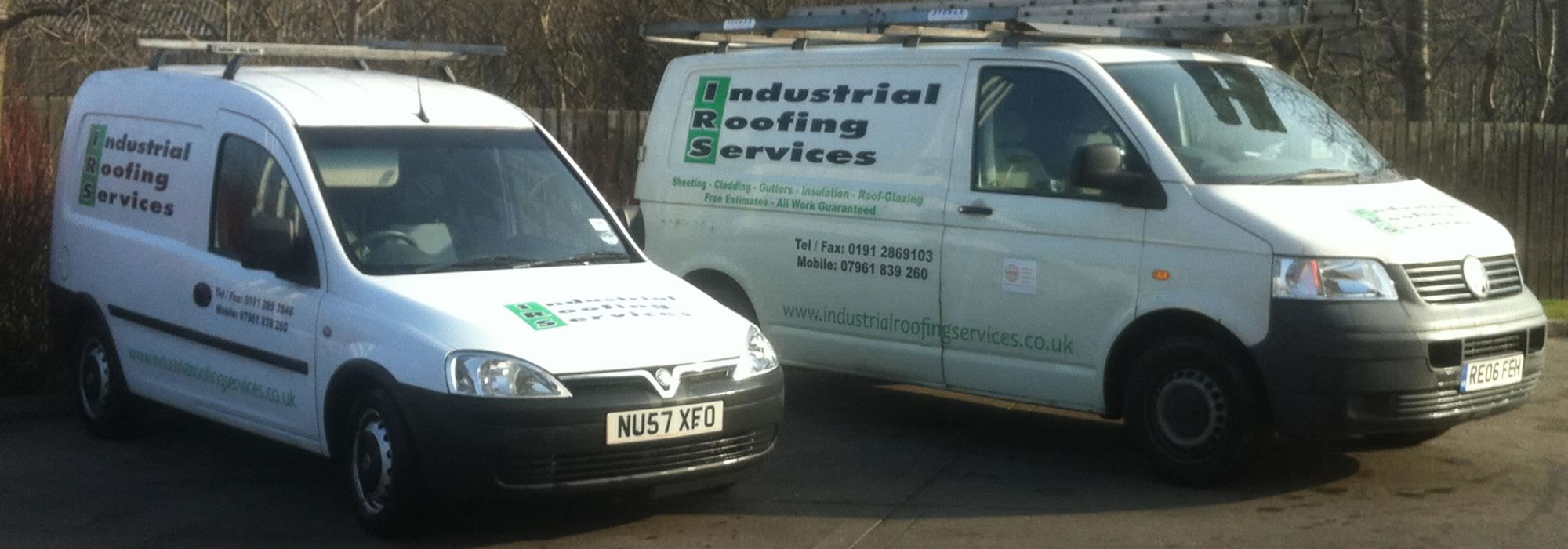
At Industrial Roofing Services (NE) Ltd, we support commercial and industrial clients with roofing and cladding work that prioritises safe access, clear detailing, and realistic maintenance advice. If you’d like to discuss options for your building, request a practical discussion with our team, and we’ll advise on sensible next steps.
Relevant experience, competence with the chosen materials and finishes, and a proven track record of safe installation are key. It also helps to work with teams who collaborate early, so details remain buildable, junctions stay weatherproof, and maintenance access is planned from the outset.
Sheet and cladding can contribute to a more consistent external envelope, but energy performance usually depends on the full build-up: insulation continuity, vapour control, airtightness strategy, and thermal bridging control. A professional specification should consider Part L requirements and product-specific performance data for the proposed system.
Maintenance varies by material and exposure. Many systems benefit from periodic visual checks of fixings, sealants, flashings, and drainage points, plus cleaning where build-up can affect performance. Access should be planned safely, and any work at height should be carried out by competent professionals with appropriate controls.
Fire performance depends on the complete system, including insulation and any core materials, not just the outer sheet. Requirements can differ by building type and height, so designers should consider Part B and relevant product classifications, and confirm suitability with the project’s fire strategy and technical approvals.