
- 07961839260
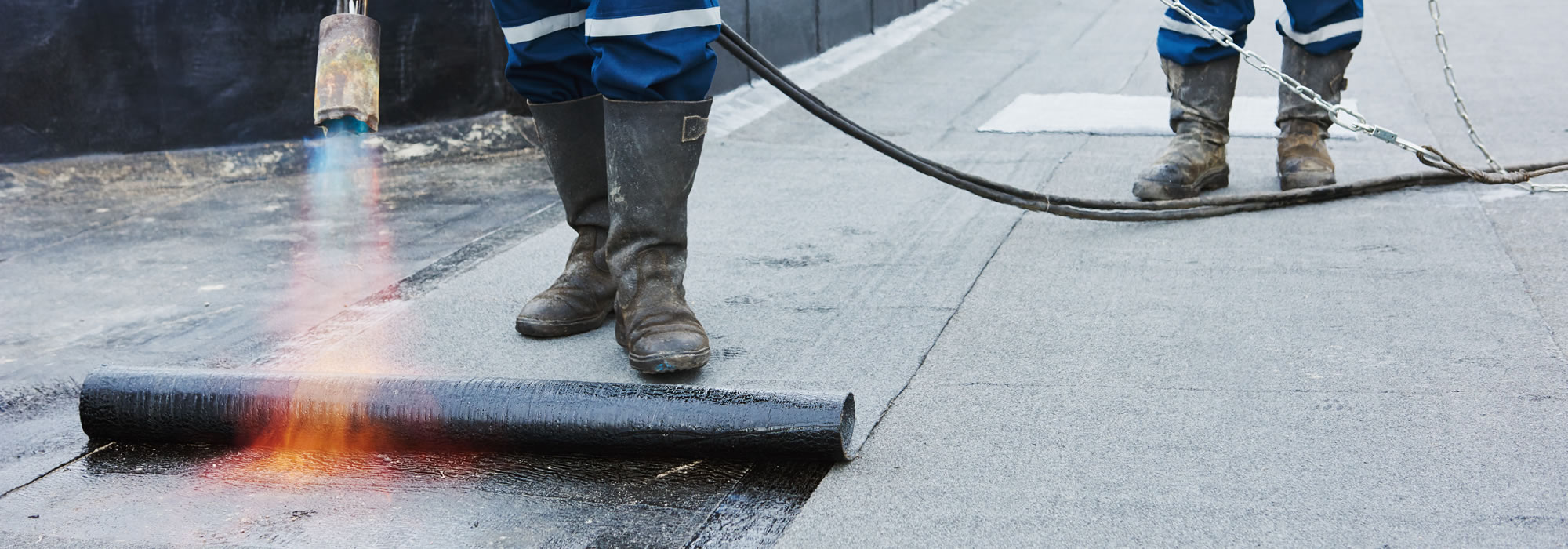
At Industrial Roofing Services (NE) Ltd, we design and install built-up roofing around your building, sector, and budget. Built-up roofing gives your industrial or commercial building a tough, layered waterproof system. It handles foot traffic, plant equipment, and harsh weather across Newcastle upon Tyne.
We build your roof using multiple layers of bitumen and reinforced felt. A protective surface layer completes the system. This creates a continuous membrane that deals with standing water better than many single-layer systems. You’ll gain strong weather protection and good thermal performance when combined with insulation. The system provides a proven solution for flat and low-slope roofs.
Built-up roofing (BUR) is a multi-layer flat roofing system that suits large industrial and commercial buildings. You see it on warehouses, factories, retail parks, hospitals, and schools. Other public and private sites that need strong, watertight roofs use it too. Good load-bearing performance makes it suitable for heavy-use buildings.
We install BUR by applying several layers of bitumen and reinforcing felt. Then we add a surface layer of mineral capsheet or stone chippings. This protects the roof from UV, impact, and foot traffic. When we add insulation within the build-up, the system can also reduce heat loss and improve internal comfort.
A built-up roof works by building several layers into a single, continuous waterproof system. Each layer plays a specific role, from bonding to reinforcing to protecting the surface. Together, these layers help your building manage water, movement, and thermal changes.
For buildings where falls or drainage need improvement, we can pair BUR with tapered insulation and specialist outlets. We draw on our flat roof experience from our flat roofing projects across the North East.
When you choose built-up roofing for your industrial or commercial site, you get a system with a long track record. Multi-layer construction and on-site application give strong waterproofing. They also provide resilience against damage from traffic, plant installation, and weather.
If you want to understand how BUR compares with other options, you can review our specialist guide. Read it before committing to a project. Visit our built-up roofing guide for more detail.
Built-up roofing suits a wide range of flat and low-slope roofs across industrial, commercial, and public buildings. We design systems that reflect roof use, foot traffic, and the type of operations below the deck.
We regularly design systems around sector-specific risks, drawing on our experience across the sectors we serve.
We start with a detailed roof survey to understand your current build-up, drainage, and structural condition. From this, we design a built-up system that fits your building use and access requirements. The design works within your programme constraints and budget.
When you install a new BUR system with us, we can also review your gutters, outlets, and downpipes. This prevents future water issues. The work links with our guttering and repairs and roof and gutter clearance services.
Ongoing care matters as much as the initial installation. We offer planned roof maintenance packages and periodic roof surveys so your built-up roof continues to perform as designed.
Many industrial buildings use single-ply, liquid-applied, or metal sheet systems. Each has strengths. Built-up roofing stands out when you need multiple layers and strong impact resistance. It also offers straightforward, proven detailing around complex upstands and penetrations.
| Roof system | Typical service life (years) | Best suited for |
|---|---|---|
| Built-up roofing (BUR) | 20-30+ | Large flat roofs needing multi-layer protection and regular foot traffic routes. |
| Single-ply membrane | 20-25 | Lightweight refurbishments where fast installation and low weight are priorities. |
| Liquid-applied systems | 15-25 | Complex details, small roofs, and overlay projects with limited height build-up. |
We also work with flat roof membranes, liquid systems, and metal sheeting. We can explain the pros and cons for your specific building. For many heavy-use industrial roofs, a well-designed BUR system remains one of the most practical solutions. This holds especially true when paired with modern thermal upgrades and drainage improvements.
Many clients combine BUR projects with insulation and façade works. This tackles heat loss, condensation, and water ingress in one coordinated scheme. The approach helps reduce overall disruption. It allows us to address junctions between roof, walls, and penetrations in one design.
Where roof and wall performance interact, we can tie your project into our other services. These include industrial roof insulation and sheet and cladding. Your building gets a joined-up upgrade strategy.
We focus solely on industrial and commercial roofing across Newcastle upon Tyne and the wider North East. That focus means our teams work every day on buildings with complex access, live operations, and sensitive processes. They also handle strict safety requirements.
You can learn more about our background, accreditations, and approach on our about page. Contact us to arrange a site visit and initial discussion.
If you manage an industrial or commercial building, built-up roofing may solve your current problems. These include leaks, ageing systems, or poor energy performance. We can help you evaluate options. We start with a discussion about your site, followed by a survey if required.
To start the process, contact our team through the contact page or by phone. If you are comparing options across multiple buildings, our industrial roof surveys service can help. It lets you prioritise where to invest first.
Service life depends on design, materials, exposure, and maintenance. A well-installed built-up roof on an industrial building often achieves 20 to 30 years or more. Regular inspections, prompt repairs, and good gutter management all help extend performance. We can advise expected life as part of our survey and proposal.
In many cases, we can overlay an existing flat roof with a new built-up system, which reduces disruption and waste. The existing deck and build-up must be sound, dry, and structurally suitable. We confirm this through core samples and condition checks before recommending an overlay or full strip.
Built-up systems cope better with standing water than many lighter membranes, but we still aim to improve drainage. Where ponding occurs, we can design tapered insulation, adjust outlets, or add new drainage points. Managing standing water helps reduce future defects, protects details, and supports long-term roof performance.
We plan your project to keep your operations running wherever possible. This includes phased work areas, agreed access routes, and coordination with your production or trading hours. Noisy or high-risk activities are scheduled carefully. For sensitive environments, we can combine night or weekend working to reduce impact.
When we combine BUR with new insulation, you can cut heat loss through the roof and improve internal comfort. We design insulation levels around current standards and your building’s use. This supports lower heating demand and can contribute to energy-saving and carbon-reduction targets across your estate.
Costs vary with roof size, access, build-up, insulation thickness, and the condition of the existing structure. Per-square-metre rates also depend on fire performance requirements and any drainage improvements. After a survey, we provide itemised costs so you can see where the budget goes and compare options clearly.
All flat roofs benefit from regular inspection and simple routine tasks. For BUR, we recommend at least annual checks plus visits after severe weather. Clearing gutters, outlets, and debris makes a big difference. Planned inspections through our roof maintenance service help spot issues before they affect your operations.
Yes, in many cases targeted repairs or partial overlays can extend the life of an existing built-up roof. We assess moisture spread, condition of the felts, and deck integrity. Where the structure allows, we can propose phased upgrades. These control risk and cost rather than requiring full replacement in one project.