
- 07961839260
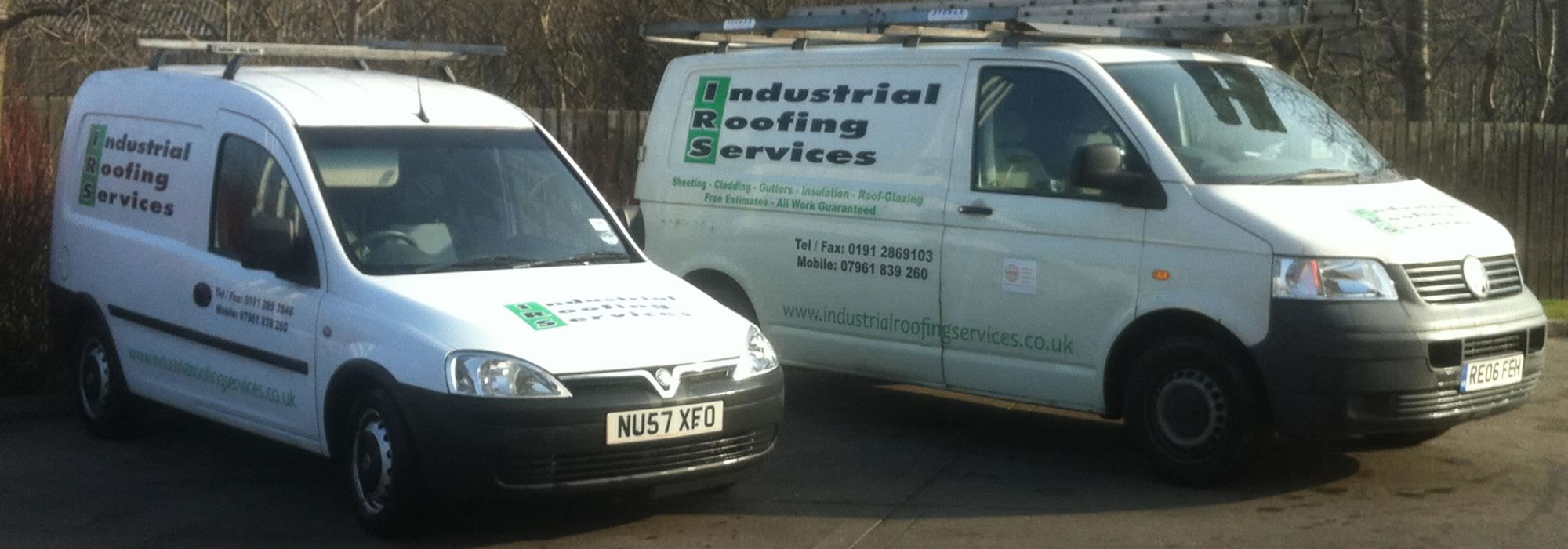
This blog post highlights the practical value of regular roof and gutter clearances for commercial and industrial premises. Keeping drainage routes clear and roof areas free from build-up can help protect the building fabric and reduce the likelihood of disruptive, avoidable repairs.
Below, we cover six benefits of routine care, plus straightforward tips and preventative measures to help you look after your property. Good roof and gutter housekeeping supports day-to-day performance and helps you plan maintenance more confidently.
Quick Summary
Key Points
Blocked gutters can cause water to back up and spill onto walls, entrances, and loading areas.
Regular clearances help you identify small defects early, when repairs are typically simpler.
For most sites, a documented maintenance plan is the safest way to reduce surprises and manage risk.
Maintaining a well-functioning roof and gutter system helps protect the building envelope. Regular debris clearance and effective drainage can reduce the chance of water tracking into vulnerable junctions and interfaces.
One of the main benefits of routine roof and gutter care is reducing the risk of leaks developing unnoticed. Leaks can lead to water damage, and the earlier a defect is identified, the more straightforward it may be to address. Periodic inspections, including commercial and industrial roofing surveys, can help highlight wear, failed seals, displaced components, or drainage issues before they escalate.
If your gutters are damaged, leaking, or overflowing, they can contribute to dampness and staining and may increase the likelihood of moisture-related defects around the façade and internal perimeter areas.
Regular maintenance also helps lower the risk of longer-term structural problems linked to persistent moisture. Where water is repeatedly held in one place, it can accelerate deterioration of roof components and supporting details, particularly around penetrations, edges, and fixings.
Clearing gutters and checking outlets, hoppers, and downpipes helps prevent water build-up after heavy rainfall. If you notice sagging, misalignment, or gutters pulling away from the building, it’s sensible to arrange guttering repairs and servicing so the system can be made safe and functional before further damage occurs.
Planned roof and gutter care is often a cost-effective way to manage a commercial property because it helps you deal with issues while they are still manageable. Addressing defects early can reduce the likelihood of wider damage and can make budgeting for repairs more predictable.
Regular roof and gutter clearances can support the overall condition of your commercial or industrial property.
Keeping the exterior tidy and functional can improve first impressions and help demonstrate that the building is being looked after. This section explains how routine roof and gutter care may support curb appeal and buyer or tenant confidence.
A well-maintained exterior can influence how prospective buyers, tenants, or facilities teams perceive a site.
Consistent roof and gutter housekeeping helps keep elevations cleaner and can reduce visible staining and overflow marks. Over time, these details can contribute to a more professional appearance and a better visitor experience.
Property value depends on many factors, but building condition and documented upkeep can be helpful during due diligence. Regular clearances and timely remedial work can reduce the likelihood of hidden defects and may help maintain confidence in the building’s condition.
In short, routine roof and gutter care isn’t only cosmetic. It can be part of a practical asset-management approach for commercial and industrial premises.
One of the most persuasive reasons to invest in regular roof and gutter clearances is the potential to reduce avoidable costs. Neglect often leads to larger defects, wider water damage, and more disruption to operations.
Routine checks support preventative maintenance by helping you detect minor concerns before they develop into bigger issues. This approach can help protect the day-to-day function of the roof covering, drainage components, and associated details. To keep this consistent, many businesses tie clearances into a broader programme of planned industrial roof maintenance.
When defects are found during inspections, prompt repairs can help prevent deterioration from spreading. Maintenance is not only about repairs: it also involves removing debris that can block gutters, outlets, and valleys and contribute to localised ponding on flat or low-slope roofs.
With appropriate planning, this type of routine care can help your roof and gutters perform as intended and reduce the likelihood of premature failures.
Early identification of problems is a key advantage of regular roof and gutter care. Finding issues early can help you avoid reactive call-outs and reduce the chance of unplanned building downtime. In most cases, it is more manageable to address a small defect than to deal with extensive water ingress, damaged stock, or internal disruption.
Regular clearances help keep minor issues visible and easier to resolve, supporting better cost control over time and a more predictable maintenance plan.
By adopting a proactive approach to roof and gutter care, you can better protect your investment and improve the long-term resilience of your building.
Regular roof and gutter maintenance may also support energy performance, particularly where it helps keep the roof build-up dry and prevents defects that can affect insulation and airtightness. While outcomes vary by roof type and condition, good housekeeping can be a sensible part of wider building performance management.
A roof system performs best when it remains in good condition, and water is managed effectively. Persistent moisture and hidden defects can reduce the effectiveness of insulation and increase heat loss risk. Regular checks help identify damaged sections, failed seals, or saturated areas so you can plan targeted repairs or upgrades.
If refurbishment is being considered, it is sensible to ensure the specification considers structural loading (Part A), fire performance (Part B), and thermal performance (Part L) where applicable, alongside any insurer requirements and the building’s intended use.
Ventilation and moisture control are important for many roof build-ups. Poor airflow, blocked vents, or long-term dampness can contribute to condensation and moisture-related defects.
Routine roof and gutter care can help highlight moisture warning signs and ensure drainage paths remain clear. In some cases, drone roof inspections can support condition checks with reduced time spent accessing high areas, though work at height still requires careful planning and competent oversight.
Overall, regular maintenance can support a drier, better-performing roof system, which may help manage energy use and occupant comfort.
Routine roof and gutter maintenance is not only about appearance and asset protection. It also plays an important part in managing site safety. Roof work is inherently high risk, particularly around fragile materials, rooflights, edges, and temporary access arrangements.
Regular clearances can help deter pest activity by removing debris and nesting material from gutters, valleys, and roof edges. Clogged gutters and sheltered voids can attract birds, rodents, and insects, which can create hygiene issues and damage components.
By keeping roof areas and gutters clear, you reduce potential nesting sites and help maintain cleaner drainage routes and safer access points.
Another benefit of regular roof and gutter clearances is helping to reduce conditions that encourage mould and mildew.
When gutters are blocked, water can back up and create persistent dampness. Excess moisture can contribute to mould growth and may affect indoor air quality, particularly if dampness tracks into the building fabric.
UK health and safety guidance consistently highlights that roof work carries a high risk of serious injury, especially where fragile materials and poor edge protection are involved. Regular inspections can help identify hazards (such as damaged rooflights, weakened sheets, or unsafe access routes) so they can be controlled before routine maintenance or other works take place.
Regular roof and gutter clearances are also a practical way to support more responsible site management. By keeping drainage working and addressing defects early, you can reduce avoidable water-related damage and improve how your building performs over time.
Good housekeeping can contribute to more sustainable outcomes in a few ways.
Depending on your sector and site requirements, there may be standards, lease obligations, or insurer expectations around inspection and maintenance. Routine clearances and recorded checks can help demonstrate good practice and reduce the risk of avoidable defects being missed.
For a deeper overview of drainage importance in commercial settings, see our guidance on why commercial gutters are essential for protecting the building and the areas around it.
In Newcastle upon Tyne and across the North East, commercial roofs can face a mix of wind-driven rain, seasonal storms, and debris build-up from surrounding trees and urban environments. On exposed sites, water can be pushed into vulnerable joints and drainage points can become overwhelmed more quickly.
For industrial estates, distribution hubs, and public-facing premises, routine clearances are a practical way to reduce slip hazards around entrances, protect loading areas from overflow, and keep planned maintenance on track.
It depends on the building, nearby trees, roof layout, and exposure to wind and debris. Many sites schedule checks seasonally and after severe weather, then adjust frequency based on what is found and any recurring blockage points.
Only if the work can be done safely and your team is trained, competent, and properly equipped. Working at height is high risk, and access needs suitable controls. In many cases, it’s safer and more practical to use a specialist contractor.
Common signs include overflowing during rainfall, staining on walls, sagging gutter runs, vegetation growth, standing water near outlets, and damp patches inside near the roof perimeter. If you see these, a prompt inspection can help prevent wider damage.
Clear gutters and outlets can help water drain away as designed, but persistent ponding can also be linked to roof falls, deflection, or localised defects. If ponding remains after clearance, a professional inspection can identify the underlying cause and suitable remedial options.
In conclusion, regular roof and gutter clearances help protect commercial and industrial buildings from avoidable water-related defects, support a better-looking exterior, and can reduce the likelihood of disruptive repairs. With a planned approach, you can improve visibility of risks and help your roof and drainage systems perform as intended.
If you’d like a professional clearance or a maintenance plan tailored to your site and roof type, contact our team to discuss the safest, most practical next steps.