
- 07961839260
Your building’s roof faces real challenges in the North East’s changeable, exposed conditions. Wind-driven rain, coastal air and seasonal temperature swings all put pressure on roof coverings, joints, and drainage details.
Roof cladding can add a durable protective layer, improve thermal performance, and reduce day-to-day risk from weathering – but only when the system is correctly specified for your building and installed with the right detailing.
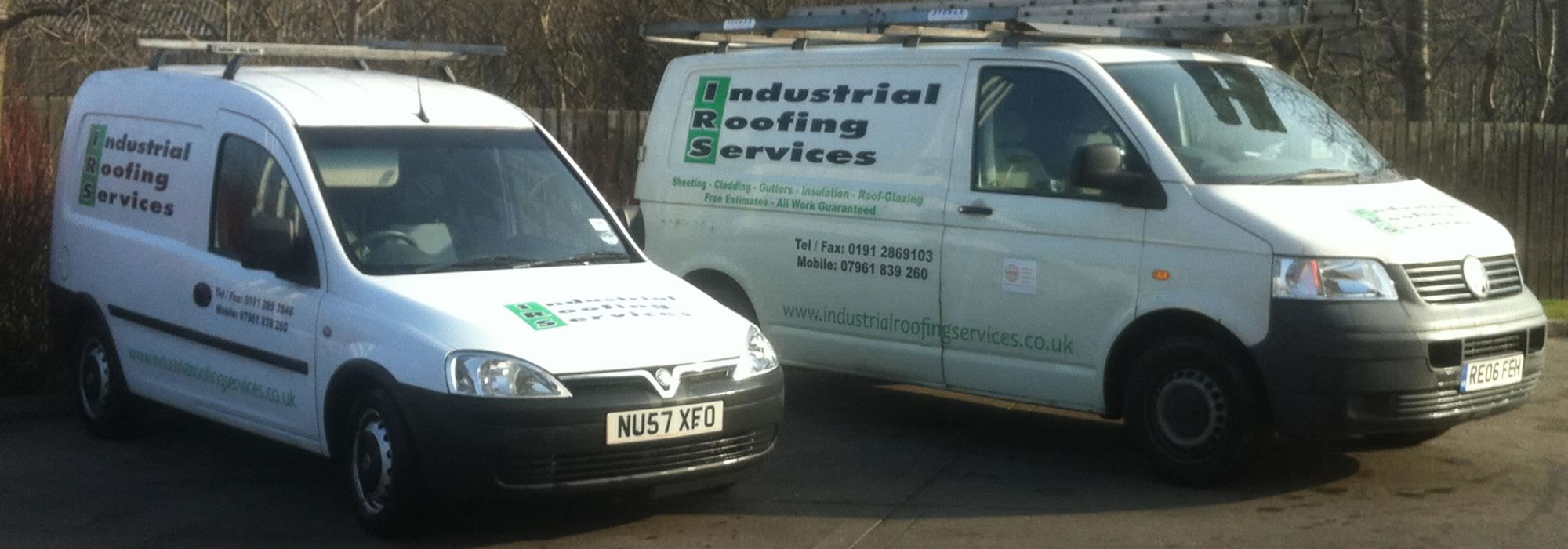
At Industrial Roofing Services (NE) Ltd, we support commercial and industrial clients across the region with cladding upgrades, new roof installations, and maintenance planning designed around real-world site conditions.
Quick summary
Roof cladding is a system, not just a surface. Good outcomes come from aligning the design, materials, and workmanship to your building’s use, exposure, and safety requirements.
In this blog post, you’ll discover:
Whether you’re planning a new installation or reviewing an existing roof, the points below will help you make better decisions about protection, performance and risk management.
The North East’s exposure can be unforgiving on large roof areas. Rain and wind place extra demand on laps, fixings, junctions and drainage routes, so cladding needs to be designed as a complete system rather than a cosmetic upgrade.
Your roof’s performance directly affects building condition and operating costs. Where roof protection is poor, you may see:
Modern cladding systems can improve weather resistance and temperature stability, but performance depends on good specification, correct fixings, and careful detailing at edges and penetrations.
Cladding installation demands expertise in roof condition, loadings, condensation control and safe access planning. A site-specific approach matters because the right solution for a sheltered industrial estate roof may not suit a coastal, high-exposure building.
A commercial roofing survey is often the safest starting point. It helps confirm the substrate condition, identify hidden defects (like wet insulation or failing laps), and define a specification that suits your building’s use and risk profile.
Installation typically involves:
Safety is non-negotiable. Roof work should be planned and carried out by trained, competent teams with appropriate fall protection and fragile roof controls, in line with UK work-at-height duties.
A well-designed cladding system adds layered protection to your roof build-up. It works with the existing structure to shed water, resist wind uplift forces, and manage moisture risk at interfaces.
The effectiveness of your roof depends on several key factors:
Good cladding performance comes from a system approach. The outer layer sheds water, while junction detailing and sealed laps reduce the paths water can take into the build-up. Where ventilated cavities are used, the goal is to help manage any incidental moisture and support drying potential.
Key components commonly include:
Water penetration is a frequent driver of deterioration in commercial roofs, particularly around edges, gutters, rooflights, penetrations and interfaces. Cladding can help reduce these risks when drainage, laps and terminations are properly designed and regularly checked.
Commercial roofing work should meet applicable UK requirements for weather resistance, structural adequacy and energy performance. A competent contractor should confirm what approvals and checks apply to your building and scope.
Roof cladding can support better thermal performance by improving continuity of insulation and reducing uncontrolled air leakage. Results vary by roof build-up, condition, and how the building is heated and operated.
Many systems combine improved insulation continuity with reflective or protective outer finishes to support temperature stability. The benefit depends on the full roof design, including junction detailing and how well the building envelope is sealed.
Thermal targets and required performance levels depend on building type and the nature of the work. Your specification should be aligned with applicable energy-efficiency requirements and practical constraints on the site.
For many industrial buildings, insulation performance is strongly influenced by the roof build-up and the quality of junction detailing. Where insulation upgrades are part of the solution, industrial roof insulation should be selected and installed with attention to vapour control, thermal continuity and long-term moisture risk.
Your investment may deliver value through multiple channels:
For best results, cladding upgrades should be paired with a realistic inspection and upkeep plan. Planned roof maintenance can help keep drainage points clear, spot early defects at junctions, and protect performance over time.
In commercial property, roof condition is one factor that can influence valuation, buyer confidence and survey findings. Well-documented improvements and a clear maintenance approach can help demonstrate responsible asset management.
Upgrading to sheet and cladding solutions can support this by improving weather resistance, updating appearance, and providing clearer documentation around specification and installation.
During property transactions, surveys often review the roof’s apparent condition, evidence of leaks, and the credibility of maintenance records. Professional work may also provide helpful documentation, such as:
Cladding can modernise the look of industrial buildings and help create a cleaner, more consistent roofline. Options commonly considered for commercial sites include:
Return on investment varies by building, but cladding upgrades can contribute to:
Roof safety depends on interconnected factors, including structural adequacy, wind uplift resistance, fire performance and safe maintenance access. A cladding solution should be designed with these in mind from the outset.
Roof systems should be designed for applicable loadings and exposure, including wind zones and roof edge effects. Fixing patterns and system choices should be appropriate for your building’s height, location and geometry.
Wind uplift forces vary significantly based on your building’s:
Competent design considers these factors and specifies suitable fixings, zones and details for your site conditions.
Your system should spread loads across the supporting structure. This distribution follows engineering calculations that consider the following:
| Load Type | What It Includes | Why It Matters |
| Dead Load | Weight of materials, permanent equipment | Affects long-term structural requirements |
| Live Load | Maintenance access, temporary equipment | Determines access planning and safety margins |
| Environmental Load | Snow, wind, rain | Influences design and detailing requirements |
| Wind Load | Positive and negative pressure | Influences fixing patterns and edge-zone detailing |
Cladding can improve building envelope integrity by tightening vulnerable areas and reducing common entry paths for wind-driven rain and pests. Outcomes depend on closures, mesh, and careful detailing at eaves, ridges and penetrations.
Well-executed installations reduce weak points through:
Where needed, systems can incorporate measures such as:
Fire performance should be considered for the complete roof build-up, not just individual components. This includes the outer roof system performance, internal linings (where relevant), insulation choice and how junctions and penetrations are detailed.
Industrial roofs need to balance functionality with clean, durable presentation. The roofline and finish can influence how your facility is perceived by staff, visitors and neighbouring sites, especially on prominent industrial estates.
Industrial buildings can face environments that influence material selection, such as salt-laden air near the coast, high-humidity processes, or aggressive atmospheres from certain operations. In these cases, coatings, fixings and detailing choices matter as much as the base material.
Common system types include:
Large roof areas benefit from thoughtful detailing and finish selection. Good design focuses on:
Cladding upgrades can support modernisation without wholesale rebuilding. Depending on access and sequencing, a planned approach may help you:
Across Newcastle, Tyne and Wear, and coastal routes into Northumberland and County Durham, exposure can change quickly from sheltered to high-wind locations. This is why edge detailing, perimeter fixings and rainwater handling are often the deciding factors in long-term performance.
If you’re comparing options, our guide to roof cladding in Newcastle expands on common system choices and practical considerations for industrial buildings in the region.
Local maintenance realities matter too. Leaf fall, wind-blown debris and blocked outlets can quickly turn small drainage issues into internal leaks, so any specification should include clear access planning for safe inspections.
Roof cladding can deliver meaningful benefits for commercial and industrial buildings in the North East, particularly where exposure, ageing materials or thermal performance are driving risk. The best outcomes come from a system-led specification, competent installation and a realistic inspection routine.
If you need a wider view of options, commercial roofing solutions in Newcastle can help you compare approaches and understand what typically drives specification decisions on industrial sites.
When you’re ready to discuss your roof, contact the team for practical guidance, a survey-led recommendation, and a plan that respects safety, compliance and operational needs.
Costs depend on roof size, access, exposure, the condition of the existing roof, and the specification (including insulation and edge details). A survey and measured specification is the safest way to get an accurate price.
Programmes vary by access, weather, the complexity of junctions and the need to keep areas operational. Many projects are planned in phases to reduce disruption and maintain safe working areas.
Roof work carries serious fall risks and may involve fragile surfaces, live services and fire performance considerations. In most commercial settings, installation should be carried out by competent, insured professionals with appropriate work-at-height controls.
Metal cladding systems and insulated composite panels are common. The right choice depends on exposure, internal temperature needs, corrosion risk, and how the roof will be maintained.
Leaks, recurring defects at edges or penetrations, wet insulation, corrosion, and poor thermal performance are common triggers. A survey can confirm the condition and help you choose between targeted repairs, overcladding or replacement.