
- 07961839260
Roof work on a listed commercial building needs more care than ordinary maintenance planning. A listed building may need consent if proposed work alters, extends or affects the character or appearance of the building. For roof projects, that can include changes to the roof covering, roof shape, pitch, height, structure, details, rooflights, rainwater goods, fixings, access points or visible materials.
This guide is for facilities managers, landlords, managing agents, estates teams and commercial property owners responsible for listed commercial buildings. It explains what to check before roof repairs or alterations, what evidence to collect, how to avoid unclear contractor briefs and why repair records matter after the work is complete.
The main risk is treating listed roof work as a normal repair when it may affect protected fabric or external character. A second risk is losing the evidence that explains what was repaired, what materials were used, what was replaced and what advice was followed. Good records help the project team, the contractor, the building owner and future maintenance teams understand what happened.
This guide does not replace listed building consent advice, planning advice, conservation officer advice, legal advice, structural design, heritage consultancy, asbestos advice or a competent roof survey. It is a practical preparation guide so commercial property teams can gather the right information before making decisions.
If the roof condition is uncertain, the safest first step is usually evidence gathering rather than a fixed repair scope. A commercial roof survey before listed building work can help identify roof condition, defects, visible materials, access constraints and repair priorities before the consent or contractor discussion goes too far.
This guide also does not confirm whether consent is required for a specific building. That depends on the listing, the building’s special interest, the proposed work, the local authority view, previous permissions and whether the work affects character or appearance.
Pause before instructing roof work if the proposed change affects the roof covering, rooflights, roof profile, visible rainwater goods, parapet details, chimney details, leadwork, historic fabric, internal roof structure or external appearance. Even if the project begins as a maintenance issue, the consent question may become relevant once materials or details are changed.
Escalate if asbestos may be present. Older commercial roofs can include asbestos cement materials, and listed or older buildings can contain complex historic layers. Where asbestos may affect repair planning or access, include asbestos roof repair planning in the early project review.
Stop and reassess if anyone is expected to access an unverified roof. Historic roofs, rooflights, fragile sheets, older coverings and hidden structures can create fall risks. Roof safety and heritage sensitivity must both be managed; one does not replace the other.
Listed buildings are protected because of their special architectural or historic interest. Roofs can form part of that interest. The visible covering, pitch, roofline, details, chimneys, parapets, gutters, rooflights and construction method can all contribute to the building’s character.
For a commercial property team, the practical challenge is that roof problems are often urgent. Leaks, loose materials, blocked gutters or storm damage can put pressure on the building owner to act quickly. Good evidence helps the team separate urgent protection, temporary measures, like-for-like repair, consent checks and longer-term roof works.
The evidence should answer simple questions. What is the roof made from? What has failed? What is original, historic, later replacement or unknown? What has been approved before? What work is temporary? What work is permanent? What materials will be used? What records will be kept after completion?
Before instructing work, collect the information that will help the contractor, conservation officer, landlord, insurer or property owner understand the roof. Do not wait until after materials have been stripped or replaced.
Take clear, dated photographs of the roof area, defect location, internal leak evidence, roof covering, fixings, flashings, gutters, rooflights, parapets and adjoining details. Use wider context photographs as well as close-ups. A close-up of a broken tile or flashing is less useful if nobody can identify where it came from.
Record the apparent roof material and details. This may include slate, clay tile, metal sheeting, leadwork, bituminous coverings, historic rainwater goods, rooflights, fixings, cladding details or previous repair materials. Where external elevations or sheeting details are involved, add roof sheeting and cladding evidence checks to the project file.
Gather previous listed building consent decisions, planning records, repair notes, specifications, warranty information, old photographs and contractor reports. These records may show whether a roof covering is original, previously approved, temporary, modern replacement or already altered.
Write down what is not known. If the roof build-up, material source, asbestos status, internal structure, previous approval or exact defect location is uncertain, record that uncertainty. Hidden assumptions create risk during consent discussions and contractor pricing.
Not every listed commercial roof issue follows the same route. The right next step depends on the building, the defect, the proposed work and the level of uncertainty.
This route may be suitable for minor maintenance where the work is genuinely like-for-like, does not affect character or appearance, and uses appropriate materials and methods. Even then, keep a written and photographic record. If in doubt, check before work starts.
This route is sensible where materials, rooflights, roof shape, roof covering, visible details or internal structure may change. The Planning Portal states that listed building consent should be submitted for applications requiring alteration, extension or demolition to a listed building. For roof work, the practical question is whether the proposed work affects the listed building’s character or appearance.
This route is sensible where the roof condition is unclear, leaks are recurring, previous repairs are undocumented, the roof covering is mixed, or the repair method cannot be decided from ground level. A survey-first route can prevent the wrong scope being issued to contractors.
This route may be needed where the roof is highly significant, complex, visually prominent, structurally sensitive or previously altered without clear records. It may also be needed where the building is Grade I, Grade II*, part of a sensitive streetscape or subject to detailed conservation conditions.
A contractor brief for a listed commercial building should be more precise than “repair the roof”. It should include the listing status, any known consent restrictions, photographs, roof areas, access constraints, known defects, materials evidence, previous approvals and the intended outcome.
The brief should separate investigation from repair. If the team does not yet know the correct material or repair method, ask for investigation or survey advice first. Do not push contractors into a permanent repair recommendation before the consent and evidence position is clear.
Where access is difficult, the brief should also cover safe roof working arrangements. HSE roof work guidance applies to repair, maintenance, cleaning and demolition work. Listed building status does not make unplanned roof access acceptable.
One common error is assuming like-for-like replacement without proof. The team may believe the existing material is original, but it may be a later replacement. Or the existing material may match visually but differ in performance, fixing, weight or compatibility.
Another error is replacing small roof elements without recording what was removed. If original fabric is lost or historic details are changed, the evidence may be impossible to recreate later.
A third error is allowing urgency to remove all documentation. Emergency temporary protection may be necessary, but the team should still record what happened, why it happened and what permanent works are proposed later.
Facilities teams can also forget that future buyers, tenants, insurers and maintenance contractors may ask for evidence. Missing records can create delay long after the roof has been repaired.
After the work is complete, keep a clear roof record pack. This should include before-and-after photographs, contractor reports, material details, product information, approvals, consent references, drawings, guarantees, maintenance recommendations and any remaining defects.
Where the building has ongoing roof risk, connect the records to industrial roof maintenance record keeping. This helps future teams understand what was repaired, what materials were used and which areas still need monitoring.
Good records also help avoid repeated investigations. If the next leak appears near a previous repair, the building team can quickly check what was done, when it was done and whether the issue is new, related or recurring.
Start by confirming whether the building is listed and gathering the roof evidence already available. Then decide whether the next step is maintenance record keeping, consent checking, roof survey, temporary protection, specialist advice or contractor pricing.
If the work could involve surveys, repairs, maintenance, cladding, sheeting, access planning or asbestos issues, review the commercial roof services for specialist buildings before finalising the scope.
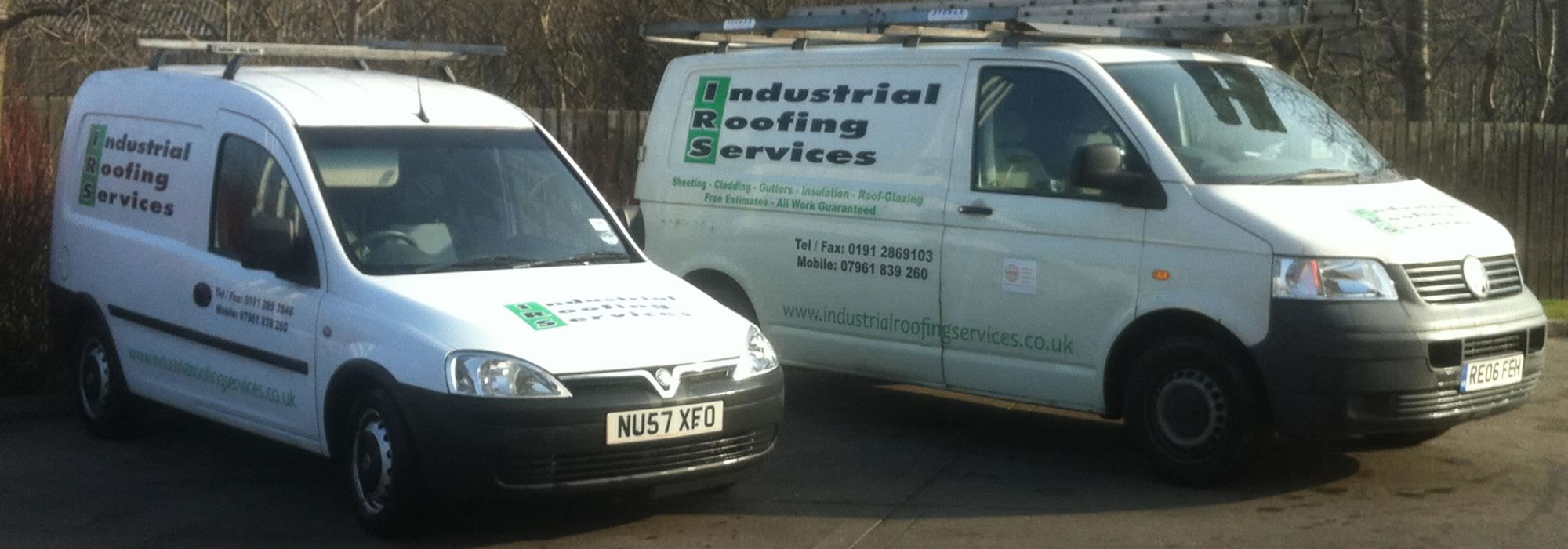
For listed commercial buildings in the North East, Industrial Roofing Services (NE) Ltd can help review roof condition, visible defects, access issues and repair evidence before the scope is agreed. To discuss a project, contact Industrial Roofing Services (NE) Ltd about listed building roof works with the building status, roof area, photographs, previous records and the proposed work.
Listed commercial building roof works should be prepared carefully. The key checks are listed status, consent risk, roof material evidence, previous repairs, roof access, asbestos risk, contractor briefing and records after completion.
A listed roof project may be a simple repair, or it may need consent checking and specialist advice. The safest approach is to record the current condition, gather evidence, make unknowns visible and avoid permanent changes until the correct route is clear.
No. Some minor maintenance may not need listed building consent, but the answer depends on the building, the proposed work and whether the work affects character or appearance. Check before changing materials, details or roof form.
Changes to roof covering, roof shape, pitch, height, rooflights, visible details, internal roof structure, rainwater goods, parapets or historic materials should be checked carefully before work starts.
The local planning authority or conservation officer is usually the correct starting point. A heritage consultant may also be useful for complex, prominent or high-significance buildings.
Collect dated photographs, roof material notes, drawings, previous permissions, repair records, survey reports, asbestos information, contractor notes and any evidence showing what has changed over time.
Emergency protection may sometimes be needed to prevent immediate harm or water damage, but records should still be kept and the correct advice should be sought as soon as possible. Permanent works should not be assumed safe from a consent perspective.
A contractor may be able to help, but listed buildings require careful briefing, evidence, suitable materials and awareness of consent risk. Complex or sensitive works may also need heritage or conservation input.