
- 07961839260
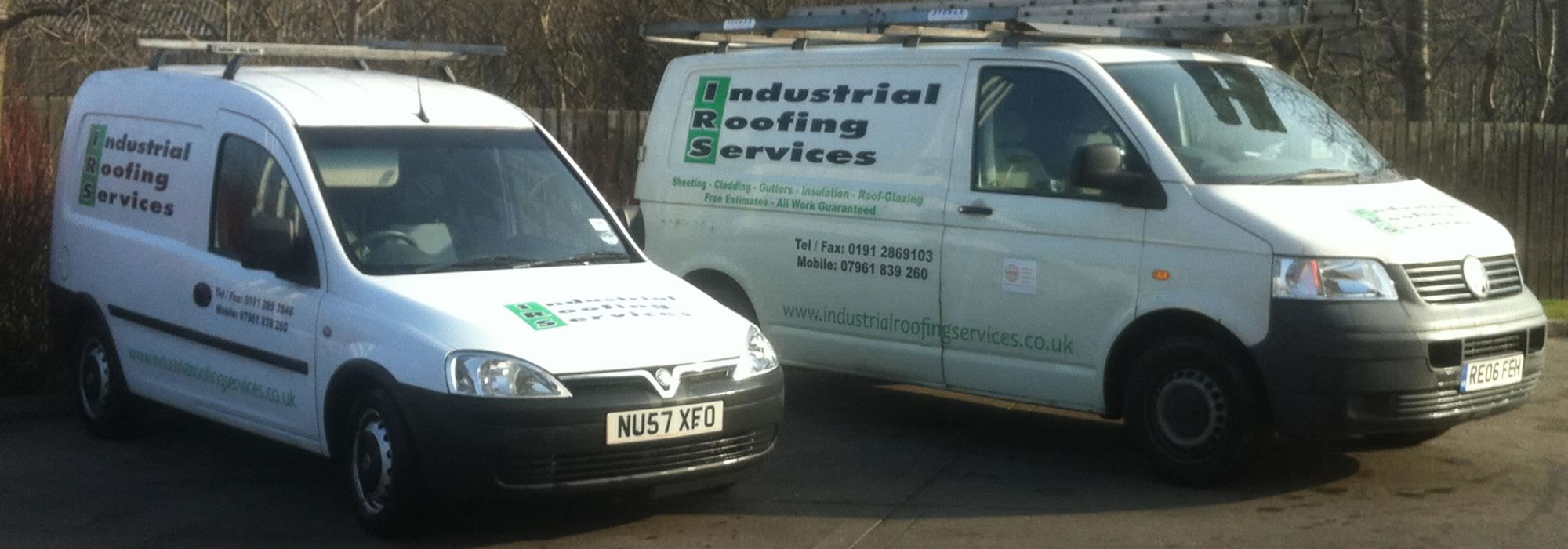
Introduction: Enhancing Retail Spaces With High-Quality Industrial Roofing
For UK retailers, the building itself shapes the customer experience as much as layout and merchandising. The roof is part of that picture-controlling comfort, protecting stock, and supporting a well-presented space.
A well-specified commercial roof can do more than keep the weather out. It can support consistent internal temperatures, improve daylight where suitable, and help reduce avoidable disruption from leaks or premature wear, without making unrealistic promises.
A retail roof should be specified for your building type, exposure and footfall demands.
Good detailing around edges, penetrations and drainage is often as important as the main roof covering.
Planned maintenance and competent inspections help you spot issues early and keep trading disruption to a minimum.
Industrial and commercial roof systems offer a broad range of finishes, from profiled metal roof sheeting and cladding systems to clean-lined standing seam profiles. That flexibility can help you align the roof appearance with your brand and the overall look of the premises.
Where the roofline is visible to customers or neighbours, the right material and colour can support kerb appeal while still prioritising practical performance.
Translucent panels or rooflights, positioned carefully, can bring useful daylight into back-of-house areas or selected parts of the sales floor, creating a brighter atmosphere.
Daylight strategies work best when you also plan for heat gain, glare and safe access for cleaning or inspection, so the solution supports comfort as well as presentation.
The UK climate can be demanding, especially on large-format retail roofs exposed to wind-driven rain. High-quality systems are typically designed to handle common UK weather conditions, but long-term performance depends on specification, fixings, detailing and ongoing care.
A practical aim is a roof that reduces the likelihood of avoidable defects and helps protect stock, staff areas and customer spaces from water ingress.
Roof build-ups with appropriate insulation and air-tightness can help stabilise internal temperatures, supporting customer comfort and potentially reducing heating and cooling demand.
If you are upgrading insulation or changing the roof build-up, it may also be relevant to consider the wider compliance picture, including thermal performance and fire considerations, with advice from a competent professional where needed.
Many modern systems are designed to be maintainable, with replaceable components and defined inspection points. That said, “low maintenance” does not mean “no maintenance”-planned checks are still a sensible part of protecting your asset.
Metal sheet roofing remains a popular option for retail premises, offering strong weather resistance and a wide choice of profiles and coatings. Suitability depends on roof pitch, exposure, acoustic requirements and how the roof interfaces with gutters, rooflights and plant.
Single-ply membranes can be a practical choice on suitable flat or low-slope retail roofs. Outcomes depend heavily on correct detailing at seams, penetrations and upstands, plus robust drainage design to reduce standing water risk.
Built-up bitumen roofing (BUR) is a layered system that can suit some commercial roof designs where a robust build-up is preferred.
It’s often used on flat roofing systems, but it is heavier than some alternatives and depends on competent installation and safe working practices.
Standing seam roofs are often chosen for their clean appearance and weather performance on suitable low-pitched designs. As with all systems, detailing and correct fixing methods are key to reliability.
Choosing the ideal industrial roofing material for your retail space depends on several factors:
In Newcastle upon Tyne and across the North East, retail roofs can face wind exposure, wind-driven rain and rapid temperature swings. These conditions make secure fixings, effective drainage and well-executed junctions particularly important.
If you’re unsure what you’re dealing with-especially on older buildings or when leaks recur, a structured roofing survey can help identify root causes, prioritise repairs and reduce the risk of repeated disruption.
Work at height is high risk, and retail sites often add public-facing hazards such as shared access and delivery movements. Any inspection or repair should be planned with safe access, competent supervision and appropriate controls; avoid unplanned roof access where possible.
Depending on the scope of works, Building Regulations considerations may apply, including structural matters (Part A), fire safety and roof performance (Part B), and energy efficiency when altering thermal elements (Part L). A competent contractor or surveyor can advise on what’s relevant to your project.
High-quality industrial roofing is a long-term decision for your retail premises. The goal is a roof that supports safe trading, protects stock, and performs reliably in typical UK conditions-backed by sensible inspection and maintenance planning.
By comparing options against your building’s design, exposure and operational needs-and using competent professional input where required-you can make a practical, well-informed choice. If you’d like tailored guidance for your site, contact our team to discuss the most suitable approach.
A professional inspection is often recommended at least annually, and it can also be sensible after severe weather or if you notice internal signs of water ingress. The best frequency depends on the roof type, age, access and exposure.
Look for new leaks, damp patches, lifted edge details, blocked outlets, standing water on flat areas, or repeated staining around penetrations. An unexpected change in internal comfort or rising energy use may also point to issues with insulation performance or air leakage.
Industrial roof installation is generally best left to qualified professionals. Beyond workmanship, safe access, fall protection, weather planning and correct detailing are critical to a durable outcome.
Yes. Options may include improving insulation, choosing durable systems with repairable components, and considering daylight solutions where they suit the space. Some materials also offer recycled content or reflective finishes, but performance depends on correct design and installation.
Older roofs can hide issues such as degraded fixings, undersized drainage or legacy materials. If the building is older, assume unknowns until inspected, and take extra care around any suspect materials-especially before intrusive works, so health and safety risks are properly managed.