
- 07961839260
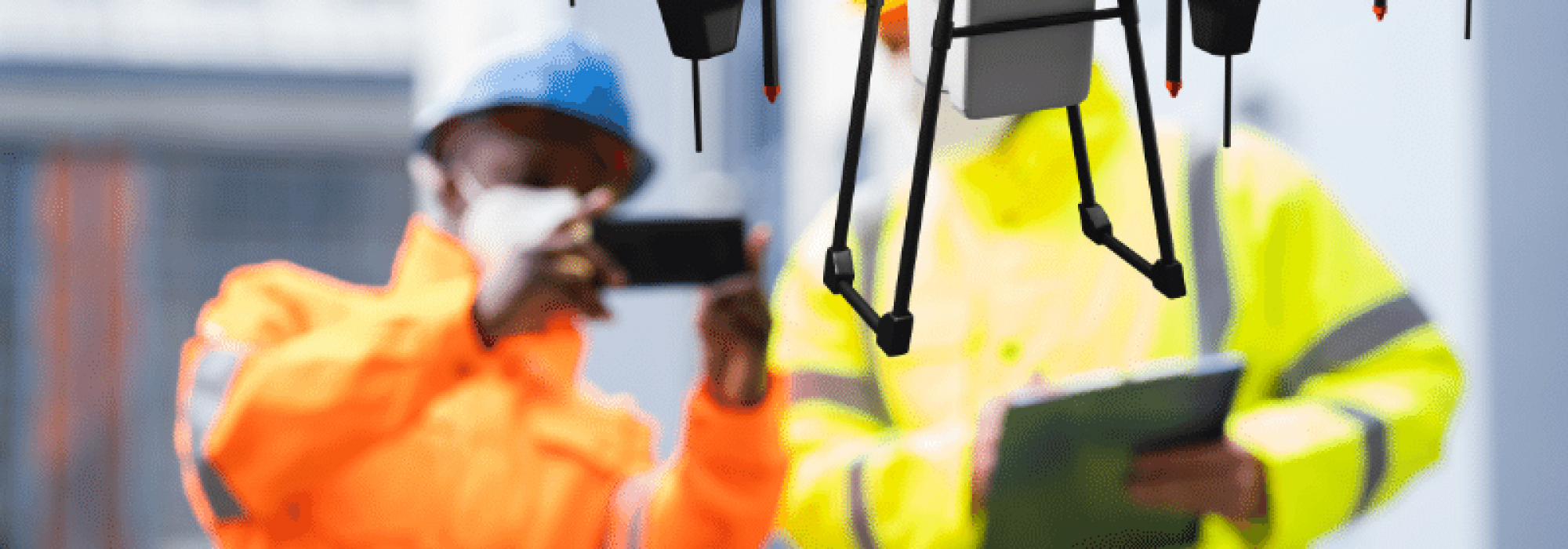
At Industrial Roofing Services (NE) Ltd, we provide drone roof inspections for industrial and commercial buildings. We serve Newcastle upon Tyne and the wider North East region. Our service uses unmanned aerial vehicles to capture high-resolution images and data from your roof. You avoid scaffolding and man-safe systems entirely.
We combine CAA-compliant pilots, roofing expertise and specialist software to highlight defects, water ingress risks and maintenance priorities. You receive clear visuals, condition reports and recommendations. This allows you to plan repairs, budget accurately and cut downtime. We work with factories, warehouses, retail units and public buildings.
A drone roof inspection is a remote aerial survey of your roof using a camera-equipped unmanned aircraft. We capture overlapping still images, 4K video and, where required, specialist sensor data. Our team then analyses the footage to identify defects, water risks and structural concerns without stepping onto your roof.
During a typical drone roof inspection, we focus on:
Where we identify issues, we follow up with detailed inspections and physical checks. These link to targeted repairs via our roof surveys service.
We structure every drone roof inspection around safety, flight planning and actionable reporting. You work with an experienced roofing contractor, not a generic drone operator. That means every image and map links back to practical repair options and maintenance planning for your site.
Where your building demands more intrusive testing, such as core samples or pull-out tests, we align drone findings with targeted physical checks. This approach avoids blanket access requirements.
We are an established industrial and commercial roofing contractor with over 30 years of experience across the North East. Drone technology adds to that experience; it does not replace it. You gain both safe aerial access and detailed interpretation from a specialist roofing team.
Our reports support long-term asset planning, insurance negotiations and decision-making on repair versus replacement. That helps you control whole-life roof costs rather than reacting to leaks and disruption.
We use drone roof inspections across most industrial and commercial roof types. The method works particularly well on large, complex or high-level structures. Traditional access would demand significant scaffolding, man-safe systems or powered access platforms.
We support a wide range of sectors across the region. These include manufacturing, logistics hubs, schools, healthcare facilities, leisure centres and utilities sites.
Traditional inspections rely on ladders, scaffolding or cherry pickers, which can disrupt operations and carry fall risks. Drone inspections give you a rapid, detailed view from above. Staff remain on the ground and set-up time reduces significantly. The comparison below outlines how the two methods differ.
| Aspect | Traditional roof inspection | Drone roof inspection |
|---|---|---|
| Access method | Ladders, scaffolding, man-safe systems or platforms. | Remote flight from ground with no roof access. |
| Safety risk | Higher fall and manual handling risk for operatives. | Reduced fall exposure; work remains at ground level. |
| Set-up time | Longer due to scaffold erection and dismantling. | Shorter; main time spent on flight planning and checks. |
| Coverage | May miss weak areas or zones with poor access. | Systematic coverage, including fragile or restricted zones. |
| Record keeping | Notes and a limited set of photographs. | High-resolution imagery and video for future comparison. |
| Business disruption | Possible closure of bays, roads or walkways. | Minimal impact on day-to-day operations. |
These advantages help you carry out more frequent condition checks and spot developing problems earlier. That supports better timing for planned maintenance and re-roofing projects across your portfolio.
Drone roof inspection costs vary from site to site because every building presents different risks, sizes and access constraints. We price work after a short discussion about your roof. We tailor scope and reporting to match your budget, asset strategy and insurance requirements.
The following factors usually influence pricing:
For a deeper look at cost drivers, read our guide: how industrial drone roof inspections can help protect your investment.
You gain the most value from drone roof inspections when they form part of a planned maintenance regime. Regular aerial checks support early intervention, extend roof service life and reduce emergency call-outs. We help you fit inspections around production, trading hours and seasonal weather patterns.
We often recommend drone inspections when:
We can also build drone inspections into ongoing roof care through our maintenance services. We align flight schedules with gutter cleaning, minor repairs and periodic surveys.
Drone inspections rarely stand alone. They often sit at the start of a chain of industrial roofing services that move from diagnosis to treatment. By using aerial data, we focus physical access where it matters. This approach avoids applying the same method across the whole roof.
We also pair aerial inspection with services such as asbestos roof repairs, gutter improvements and insulation upgrades so you can treat root causes rather than just symptoms.
Drone inspections suit asbestos cement and other fragile roofs because operatives do not need to stand on the sheets. This reduces risk while giving a clear view of sheet condition, fixings and rooflights. We handle asbestos works in accordance with UK guidance and align drone findings with safe repair strategies.
Typical asbestos-related drone inspection objectives include:
Where repairs follow, we support you through our asbestos roof repairs service. This gives continuity from initial aerial assessment to final remedial work.
Many leaks and internal damp issues trace back to poor roof drainage rather than membrane failure. Drone footage gives a clear overview of falls, ponding zones, outlet positions and external downpipes. That helps diagnose issues without multiple high-level visits and reduces time spent tracing hidden routes.
Once we identify issues, we coordinate follow-on services. These include insulation upgrades, gutter repairs and full roof and gutter clearance programmes.
We tailor deliverables to your role, whether you manage a single unit or an entire estate. Every project ends with a clear package of images, commentary and recommendations. You can share these with stakeholders, insurers and maintenance teams. No additional interpretation from third parties is required.
Your post-inspection pack typically includes:
You can arrange a drone roof inspection by contacting our Newcastle upon Tyne office. Provide basic information about your building, roof type and access restrictions. We then carry out a short phone consultation, prepare a proposal and agree a convenient inspection date. This suits your operations and site rules.
Our team works across the North East, including distribution parks, industrial estates, hospitals, schools and public buildings. To start the process, visit our contact page and tell us about your roof. Alternatively, call the numbers listed to speak with a member of our team.
A drone roof inspection is an aerial survey carried out using an unmanned aircraft. The aircraft carries a high-resolution camera and sensors. Our team flies systematic routes over your building, capturing detailed images of coverings, joints, gutters and penetrations. We then review this data to identify defects, risks and maintenance priorities.
Yes, drone roof inspections keep staff on the ground and reduce exposure to work at height. We work within Civil Aviation Authority rules. We carry out full risk assessments and coordinate with your site teams before any flight. This limits disruption to operations and supports compliance with your health and safety procedures.
Large or complex roofs gain the greatest benefit because drones cover broad areas without extra access costs. Typical examples include warehouses, factories, retail units, transport depots, hospitals and schools. Fragile or asbestos roofs also suit drone inspections particularly well. We can assess condition without stepping on the sheets or panels.
Most single-building inspections take between one and three hours on site, depending on roof size and complexity. Preparatory work, such as planning and risk assessment, happens before the visit. We usually provide initial feedback shortly after the inspection. A full report follows once we have reviewed and processed the imagery.
Drone inspections do not replace every aspect of a full roofing survey, but they provide an excellent first stage. Aerial data highlights where intrusive checks or core samples are necessary. This means we can target physical inspections on specific areas. You save time and focus budgets where they add the most value.
Yes, we can incorporate thermal imaging on suitable projects. Thermal cameras help highlight potential insulation defects, cold bridges and suspected trapped moisture. These images need careful interpretation. We combine them with visual data and roofing experience. We do not rely on colour changes alone to make decisions about repairs or replacement.
Frequency depends on roof age, covering type, exposure and business risk. Many clients schedule annual drone inspections as part of planned maintenance. High-risk or high-value buildings may need more frequent checks, particularly after severe weather. We can help you set an inspection schedule that matches your asset management strategy and budget.
Drone inspections usually have very limited impact on trading or production. We agree routes and timing with your team, keep launch areas clear and avoid sensitive zones where required. In many cases, we complete the work while your business continues to operate, without closing large areas or moving equipment.
Preparation is straightforward. We ask you to share any previous reports or drawings, confirm site rules and identify restricted zones. On the day, we need access for our operatives, a clear launch area and a short safety briefing. Your representative conducts the briefing. We handle flight planning, permissions and technical checks.
You can book by contacting our office with your building address, roof type and preferred timescale. We will discuss your aims, advise on suitable inspection scope and issue a written proposal. Once you approve the proposal, we confirm a date, prepare documentation and carry out the inspection as agreed.