
- 07961839260
If you’re planning commercial roof repair or maintenance on a listed building, the work is rarely “just a roof job”. Even routine-looking repairs can affect a building’s special architectural or historic interest, which is why approvals, specification detail and documentation matter more than on a typical site.
This guide explains what usually slows listed-building roof projects, how to scope repairs so they are more likely to be accepted, and how to run inspections and procurement in a way that protects safety, compliance and heritage value. For a general overview of roof repair planning, you can also read our commercial building owner’s guide to roof repair and maintenance.
In practice, listing means you must treat roof work as heritage change as well as maintenance. If the proposed work affects the building’s character, you may need Listed Building Consent from the local planning authority before you start.
Listed Building Consent (LBC) focuses on protecting character and significance. It is separate from planning permission (which may be needed for development or external changes) and separate again from Building Regulations (technical compliance). Many roof projects require more than one approval route, so the first step is to map which permissions apply.
Useful reference points:
The fastest way to derail a listed-building roof project is to describe a scope as “repair” when, in heritage terms, it is an alteration. Like-for-like repairs using the same materials and techniques may not require consent, but as soon as you change materials, detailing, appearance, or the way the roof performs, you may move into LBC territory.
As a rule of thumb, consent is more likely when the work changes what the roof is (its materials, profile, structure, details or key features), rather than simply maintaining it. If you’re unsure, treat it as “consent likely” until your conservation officer confirms otherwise.
Remember that the extent of listing can be broader than people expect. Guidance notes that the listing may cover the whole building (internal and external) and may also cover fixed objects and, in some cases, curtilage structures. If your roof scope touches fixtures or rainwater goods, treat them as potentially sensitive elements until confirmed.
Minor, like-for-like repairs are often possible without a full consent process, but only when the work genuinely matches existing materials and techniques and does not affect significance. The safest operational approach is: assume you need confirmation, then seek a quick steer from the conservation officer before committing to a programme.
If the roof is actively leaking or there’s a safety risk, temporary measures may be necessary. Keep emergency actions minimal, reversible and well recorded (photos, sketches, dates, materials used). Government guidance on urgent works frames emergency repairs as the minimum needed to keep a building wind and weatherproof and safe from collapse; use that mindset when specifying temporary protection.
The quickest route to an approvable scope is a survey that separates defect symptoms (leaks, staining, slipped slats) from root causes (failed flashings, blocked outlets, condensation, movement, poor falls). Do the diagnosis properly before you commit to replacement or “upgrade” solutions.
Roof access and inspection can be high-risk. HSE guidance is clear that roof work must be planned and organised to be carried out safely, and the Work at Height rules can apply to those who control the work (including building owners and facilities managers who appoint contractors). For any inspection beyond safe internal observation, use competent professionals with appropriate access equipment and safe systems of work.
Helpful references:
A practical survey pack for listed-building roof repairs usually includes:
Heritage roof specification works best when it starts with like-for-like and minimum intervention, then justifies any changes as necessary to manage risk. If you propose modern substitutions, be prepared to show why they won’t harm character and why they are needed.
Most listed buildings use slate or tile because they are visually and historically consistent with the building. The heritage priority is usually to retain and reuse sound original materials, replacing only what has failed and matching replacements as closely as possible in size, texture and colour. If you need to change the fixing approach or underlay strategy for performance reasons, document why and ensure it doesn’t change the roof’s external appearance.
Leaks on historic roofs often trace back to junctions and rainwater details rather than the main covering. Focus the scope on:
Where original details are part of the building’s character, prioritise repair that maintains the existing visual outcome. If detailing needs improvement to prevent repeat failures, propose it as a carefully justified change with drawings and samples.
Some listed buildings include flat roof areas (often on later additions, behind parapets, or on less-visible sections). Modern membranes can be acceptable in some contexts, but consent risk increases if the change affects visible appearance, edge details, or key heritage fabric. Treat “modernisation” as a proposal that may require consent and justify it with evidence of necessity, reversibility where possible, and minimal impact on character.
If you want faster approvals, demonstrate that your roof scope solves the water management problem without unnecessary change. Drainage and junction detailing are typically where listed-building roofs fail first.
Ponding water can accelerate deterioration and increase leak risk. Where you propose changes to falls or outlets, be clear whether this is a repair (restoring function) or an alteration (changing design). If changes are needed, show the minimum intervention required and how edge details and visible elements will remain consistent.
New penetrations and rooflights are common reasons listed-building roof proposals get delayed, because they can change character and add long-term leak risk. The best approach is to minimise new openings and make the remaining details highly specified.
Many roofs contain fragile elements (including rooflights). These create safety risks for anyone accessing the roof, not just roofers. Your inspection and maintenance plan should identify fragile zones, safe access routes, and controls (for example, restricting access and using competent contractors with suitable protection measures).
Listed-building roof projects succeed when the scope is documented as a controlled schedule rather than a vague “repair as needed”. The table below can be used as a specification and approval checklist.
| Roof element/interface | Existing condition evidence | Proposed approach | Consent risk (low/med/high) | What to specify (minimum) | Records to produce |
| Covering (slate/tile/metal/membrane) | Photos, defect map, sample notes | Reuse + matching replacements; limit change | Med–High (if appearance/material changes) | Matching strategy, fixing method, sample panel (where needed) | Before/after photos; material schedule; sample approvals |
| Flashings/soakers/abutments | Leak tracing, close-up detail photos | Repair/renew with compatible detailing | Low–Med | Detailed drawings, interfaces, and compatible materials | Detail photos; as-built detail notes |
| Valleys/hidden gutters | Staining, overflow evidence, corrosion | Renew failing sections; improve maintenance access | Med | Capacity, joints, access for cleaning, overflow route | Photo record; maintenance access notes |
| Parapets/upstands | Cracks, coping defects, damp evidence | Repair masonry details; renew waterproofing where required | Med–High | Coping details, upstand interfaces, wind-driven rain control | Method statement extracts; as-built photos |
| Rainwater goods (gutters/downpipes) | Blockage/capacity notes, leak points | Repair/renew to matching profile where visible | Med (if profile/material changes) | Profile match, fixings, discharge routes, overflows | Product data, photo record, maintenance schedule |
| Penetrations/rooflights/plant | Location plan, detail photos | Minimise; detail robustly; plan maintenance | High | Upstand, sealing detail, access, and condensation control | Drawings; O&M notes; access risk notes |
The most defensible way to reduce major interventions on listed roofs is a planned inspection and maintenance regime. A routine programme also helps you evidence “minimum necessary change” when approvals are needed.
| Roof type/context | Baseline inspection cadence | After trigger events | Seasonal focus |
| Pitched slate/tile (complex junctions, valleys, chimneys) | At least twice per year (spring/autumn) | After storms, high winds, freeze-thaw, and reported leaks | Clear gutters; check slipped/cracked units; inspect flashings |
| Flat roofs (behind parapets, outlets/overflows) | At least twice per year (spring/autumn); more often where ponding risk exists | After heavy rainfall events, snow/ice, and drainage incidents | Outlet checks; ponding observation; membrane edge details |
| Green roofs or roofs with heavy plant/services | Quarterly (or as manufacturer/system requires) | After extreme weather, after plant works | Drainage checks; vegetation control; interface inspections |
| Low-access heritage roofs (limited safe access) | Survey-led cadence (often annual external + interim internal monitoring) | After any water ingress report | Internal ceiling/loft checks; rainwater goods observation from the ground |
Trigger events that should prompt an additional inspection include: storms/high winds, prolonged heavy rainfall, freeze-thaw periods, blocked outlets/overflows, visible slippage of slate/tile, or any internal signs of water ingress.
For listed buildings, the inspection goal is simple: identify water and safety risks early and record evidence so repairs can be justified as necessary and proportionate.
| Field | What “good” looks like |
| Date, weather, inspector | Named person/company; conditions that may affect findings |
| Roof area reference | Plan reference and photo viewpoints; consistent naming |
| Defect description | Component + location + symptom + likely cause |
| Risk rating | Safety risk, water ingress risk, and heritage sensitivity are noted separately |
| Immediate actions | Temporary controls, access restrictions, urgent containment |
| Recommended next step | Monitor / minor repair / specialist survey / consent enquiry |
| Evidence | Photos, annotated plan, moisture readings (if applicable), notes of any movement |
To get listed-building roof works approved and delivered efficiently, you need a clean evidence pack, a tightly defined scope, and a contractor proposal that treats safety and heritage constraints as core requirements.
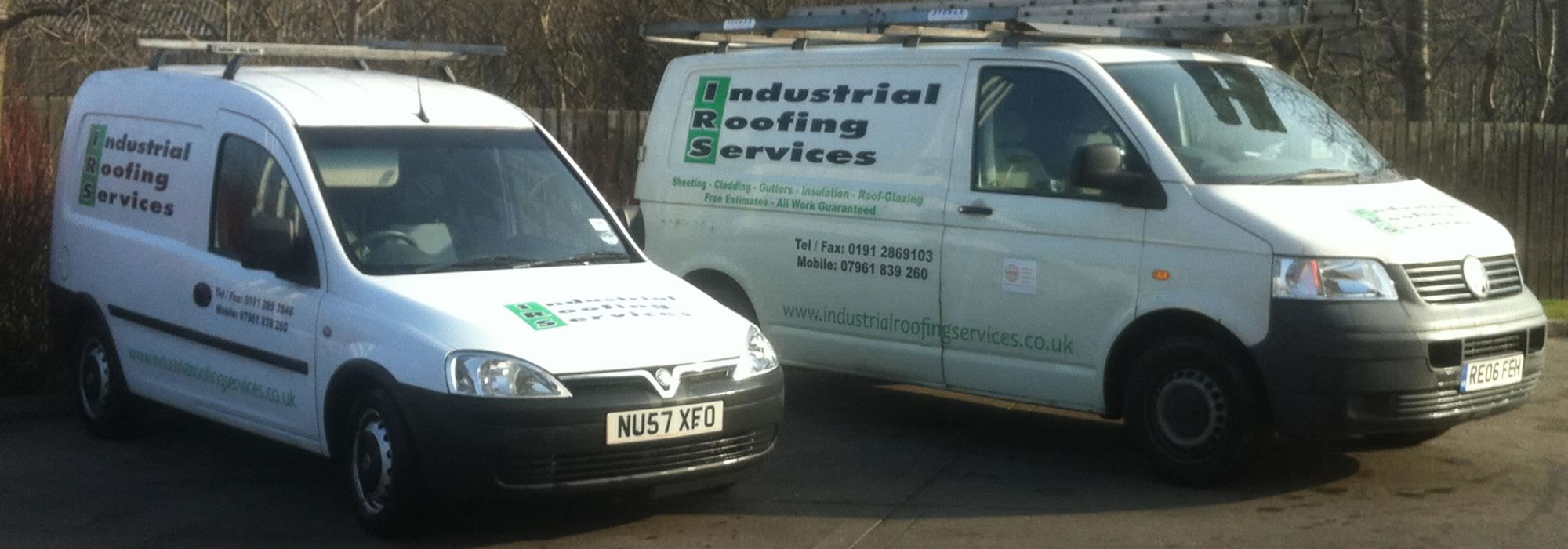
If you want professional input on scoping, approvals-ready documentation, and delivery of listed-building roof repairs, contact Industrial Roofing Services and share your roof photos, plans and leak history so we can advise on the most practical next step.
Listed-building roof repairs often take longer because the roof is part of the building’s heritage character, and decisions must balance necessity, safety, and minimal change. The most reliable path is: survey properly, define a like-for-like-first specification, document evidence, confirm consent requirements early, and appoint competent contractors who can work safely at height and protect historic fabric.
No. Roof repairs are often achievable, but proposals can be delayed or reshaped if they affect character, remove historic fabric unnecessarily, or lack documentation. The goal is usually to enable necessary repairs in a way that protects significance.
Not always. Minor like-for-like repairs may not require consent if they use the same materials and techniques and do not affect significance. Because the boundary can be unclear, it’s sensible to check with the conservation officer before starting anything beyond minimal temporary protection.
Timescales vary by authority and complexity. Planning Portal notes a typical target of around 8 weeks from validation, but information requests, committee timetables and scope changes can extend programmes.
Sometimes alternatives can be justified, but changing a roof covering can affect character and is more likely to require consent. If you propose a different material, you’ll usually need a strong case on necessity, impact, and how the appearance and detailing will remain appropriate.
There isn’t a single universal licence for listed-building roof work. What matters is demonstrable competence, heritage experience, and (for complex scopes) the right professional support to define and justify the approach.
In operational terms, it’s often poor drainage maintenance (blocked gutters/outlets) and neglected junction detailing. A planned inspection and cleaning regime helps prevent water ingress and reduces the need for intrusive interventions.