A roof coating can be a practical way to protect and extend the service life of an existing commercial roof, but only when the roof is suitable and the specification is controlled. This guide explains what to check, how to compare common coating chemistries, and how to procure and maintain a system in a UK commercial/public-sector context.
What a protective roof coating is (and what it isn’t)
A protective roof coating is a fluid-applied system that cures into a continuous layer intended to protect the roof surface and/or form part of a waterproofing solution. It is not the same as decorative paint, and it should be treated as a roof system decision with suitability checks, detailing, and maintenance requirements.
In UK practice, many “roof coatings” in refurbishment are specified as liquid-applied waterproofing systems, where the primary role is preventing water ingress and the system must be capable of coping with exposure and roof traffic appropriate to the building.
Decision criteria: coating vs replacement
- When it fits: The existing roof is structurally sound, leaks have a known cause, and you need a refurbishment route with manageable disruption (often helpful around complex detailing).
- When it doesn’t: The roof build-up is failing (e.g. widespread wet insulation, unstable deck, recurring leaks without diagnosis), or drainage/falls problems are driving repeated water loading.
- Risks to control: Trapped moisture, poor adhesion, inadequate preparation, weak detailing at interfaces, and uncontrolled access/foot traffic damaging a fresh system.
- What to check/specify: Roof survey findings, moisture assessment, adhesion trials (where appropriate), drainage/outlet condition, and a complete manufacturer system specification (not “generic coating”).
When a coating is the right option
A coating approach is most appropriate when it solves a defined problem (weathering, localised cracking, ageing surface, detailing complexity) on a roof that is otherwise performing acceptably. It should not be used to “mask” unknown defects or to avoid diagnosing moisture and structural issues.
Good-fit scenarios
- Refurbishment over an existing roof: Where the substrate can be left in place (after assessment) and brought to a condition suitable for a liquid system.
- Complex detailing: Roofs with many penetrations, awkward interfaces, kerbs, plant bases and upstands where joint reduction is beneficial.
- Occupied buildings: Where access windows, noise and fire-risk constraints influence method selection (subject to project-specific risk assessment).
Situations that usually need a different solution
- Wet build-ups: Evidence of trapped moisture, saturated insulation, mould, or ongoing condensation risk that has not been designed out.
- Deck or structural concerns: Deflection, movement, unstable parapets, or unknown fragility.
- Chronic drainage issues: Long-standing ponding caused by inadequate falls/structural movement (a coating alone will not correct falls).
Checks to complete before specifying any coating
Before you choose a coating chemistry, confirm whether the existing roof is a suitable substrate and whether access and safety can be controlled. This is the step that prevents most coating failures.
1) Identify roof type, build-up and substrate
Start with the basics: is the roof flat, pitched or a terrace/trafficable roof? What is the existing waterproofing type (single-ply, bituminous membrane, metal, asphalt, concrete deck, etc.), and what is the condition of the substrate to receive a system?
- Confirm the existing roof construction and condition through a competent inspection (internal and external, where possible).
- Check interfaces and known problem areas: parapets, upstands, rooflights, gutters/outlets, plant bases, and service penetrations.
- Where the build-up is unclear or higher risk, consider a more detailed investigation (for example, confirming the build-up and moisture condition).
2) Moisture risk checks (including condensation)
Overlaying a roof changes drying potential and can worsen trapped moisture problems if the existing build-up is already compromised. Treat moisture and condensation risk as a design topic, not a “snagging” item.
- Confirm whether the roof is warm, cold or inverted construction (or a hybrid), and whether vapour control and ventilation are appropriate.
- If there are internal signs of moisture (staining, mould, odours, persistent humidity complaints), escalate to a competent surveyor/designer before specifying an overlay system.
- Agree whether any insulation upgrades or changes to falls are part of the refurbishment scope, rather than assuming a coating is “like-for-like”.
3) Access, fragility and safe systems of work (non-negotiable)
Roof inspections and coating works involve working at height and can involve fragile surfaces and rooflights. Plan access and controls before anyone goes on the roof, even for short tasks.
- Assume roof areas may be fragile unless proven otherwise, and plan safe access/egress with fall prevention where required.
- Ensure the project team understands duties under the Work at Height framework and, where applicable, CDM 2015 roles and documentation.
- If the roof has regular access needs (plant maintenance), plan permanent or semi-permanent safe access routes and protection measures as part of the roof strategy.
Useful references for dutyholders and controls include HSE guidance on roof work planning and work at height legal duties.
Drainage, outlets and ponding water: design and risk control
If water stands on the roof for extended periods, treat that as a drainage/falls issue first. A new coating may improve waterproofing continuity, but it will not correct underlying falls or structural deflection that causes ponding.
Key terms (to remove ambiguity)
- Falls: The slope that directs water to outlets/gutters.
- Ponding: Standing water that remains for an extended period because the falls/drainage are inadequate.
- Primary drainage: Outlets/gutters that deal with normal rainfall.
- Overflow drainage: Secondary routes that reduce risk if primary drainage blocks.
Decision criteria: managing ponding risk
- When it fits: Small, stable areas of short-term standing water may be tolerable depending on system choice and risk profile.
- When it doesn’t: Large areas of deep or persistent ponding, or evidence of progressive deflection, should trigger a falls/drainage solution (not “coat and hope”).
- Risks to control: Increased water loading, higher slip risk, greater consequences if mechanical damage occurs in ponded zones, and debris/algae build-up.
- What to check/specify: Outlet and gutter condition, overflows, known low points, and whether the refurbishment scope should include creating falls or reconfiguring drainage.
Common coating chemistries for commercial roofs
Acrylic, silicone and polyurethane are common coating chemistries discussed in the market, but they are not interchangeable. Choose based on roof conditions, exposure, access/traffic, detailing complexity, and the certified system you can procure and maintain.
Important: Specify a complete system (primer, reinforcement/detailing components, field application, topcoat/finish where relevant) from a manufacturer, not a generic “coating type”. Different products within the same chemistry can behave very differently.
Acrylic coatings
Acrylic coatings are often used where a reflective finish and straightforward application are priorities, but suitability depends heavily on roof drainage and the specific product/system.
When it fits
- Roofs with good falls and drainage, where the substrate is compatible and preparation can be controlled.
- Projects that benefit from a lighter-coloured finish to reduce heat build-up on the roof surface (subject to specification and context).
When it doesn’t
- Roofs with persistent ponding or unresolved drainage defects.
- Where the roof build-up is wet, or the substrate cannot be brought to a sound, dry condition suitable for coating.
Risks to control
- Premature degradation if the roof remains wet or if standing water persists.
- Failure at interfaces occurs when detailing and preparation are weak.
What to check/specify
- Drainage performance and known ponding areas.
- Compatibility with existing roof membrane/substrate and any primers required.
- Protection routes for foot traffic (walkways/pads) if routine access is expected.
Silicone coatings
Silicone coatings are commonly considered for weather resistance and refurbishment applications, but the right answer depends on roof use, traffic, and how slip risk and detailing will be managed.
When it fits
- Refurbishment of an existing roof where the substrate is suitable and the scope is primarily protection/weathering resistance.
- Situations where a reflective finish is desired, and the system specification includes appropriate detailing and protection.
When it doesn’t
- Regular foot traffic without designed-in walkways and slip-risk controls.
- Projects where odour/vapour constraints or sensitive air intakes require additional controls (confirm via SDS and contractor method statement).
Risks to control
- Slip risk when wet (particularly where algae can develop) and where standing water occurs.
- Detailing failures around penetrations and edges if accessories are not system-compatible.
What to check/specify
- Expected access/traffic level and defined walkway strategy.
- Cleaning and preparation requirements, including treatment of biological growth where present.
- Neighbouring air intakes/vents and any restrictions on application methods.
Polyurethane coatings
Polyurethane systems are often selected where toughness and flexibility are required, but they can involve additional health controls depending on formulation (including isocyanate considerations).
When it fits
- Roofs with higher mechanical exposure require a robust system, and a traffic protection strategy is needed.
- Complex detailing where the specified system provides reinforced detailing solutions.
When it doesn’t
- Where the site cannot support the necessary health and safety controls for the chosen product/application method.
- Where odour/vapour management cannot be appropriately controlled (confirmed by contractor plan and SDS).
Risks to control
- Health risks from hazardous substances in some products; ensure COSHH controls are planned and evidenced.
- Application quality risk if coverage and curing conditions are not managed.
What to check/specify
- Safety data sheets (SDS), including whether isocyanates/solvents are present and what controls are required.
- Application method (brush/roller/spray) and how exposure/overspray will be controlled.
- Compatibility with substrate and required primers/reinforcement layers.
For hazardous substances control context (including solvent ventilation and spraying risks), see HSE guidance on solvents, spraying and isocyanates.
Interfaces and penetrations: the failure points to detail properly
Most roof coating failures occur at interfaces, not in the middle of the roof field. Treat details as primary scope items with explicit specification and QA checks.
Details that need explicit attention
- Upstands and parapets: termination approach, minimum heights where relevant, and how changes in levels/falls will be handled.
- Rooflights: fragility risk, kerb interfaces, and safe access routes around them.
- Plant and service penetrations: pipework, vents, flues, handrails, guardrail bases, lightning protection interfaces and cable trays.
- Edges and gutters: drips, metal edge trims, movement joints, and compatibility with the coating system.
Decision criteria: designing for roof access and traffic
- When it fits: Limited access roofs where traffic is controlled, or where walkways/protection are designed in.
- When it doesn’t: Uncontrolled “service roof” traffic without defined routes, protection, and maintenance responsibilities.
- Risks to control: Puncture/abrasion, damage during other trades, and slip hazards in wet/dirty areas.
- What to check/specify: Walkway layout, protection to plant access routes, and “no-storage/no-mixing” roof rules during works.
Moisture and condensation risk: what to consider before overlaying
If you add layers to a roof (including coatings and overlays), treat moisture and condensation management as a design requirement. The right approach varies by roof build-up and building use, and it may require a competent designer/surveyor’s input rather than a “product choice” decision.
Practical prompts for commercial/public buildings
- Internal moisture loads: kitchens, pools, sports facilities, process areas and high-occupancy spaces can drive higher moisture risk.
- Existing ventilation/vapour control: confirm what is present and whether it is functioning as intended.
- Refurbishment triggers: if insulation upgrades are needed (or planned), confirm how levels, upstands and details will be adjusted.
Certification, Building Regulations and documentation
For commercial roofs, credibility comes from system documentation: third-party certification scope, an agreed specification, quality control records, and a maintenance plan that supports warranty and compliance needs.
System standards and third-party certification (what to look for)
Many liquid-applied roof waterproofing systems are assessed against European assessment routes referenced in industry guidance (often discussed in relation to EAD/ETAG frameworks). In practice, you should ask for the manufacturer’s system documentation and evidence of third-party certification where available, and ensure the proposed use and substrate are within scope.
Decision criteria: accepting a proposed “system”
- When it fits: The contractor proposes a named manufacturer system, with documented scope, substrate suitability, detailing method and QA checks.
- When it doesn’t: The proposal is “apply silicone/acrylic/PU coating” with no system documents, no substrate assessment, and no detailed drawings.
- Risks to control: Out-of-scope use, void warranties, and repeat defects around details/drainage.
- What to check/specify: Certification scope (where applicable), manufacturer installation requirements, and an inspection/maintenance plan aligned to warranty conditions.
Building Regulations prompts (energy and fire)
Refurbishment work may require Building Regulation approval and can trigger thermal performance improvements. It may also raise fire-performance considerations depending on the roof build-up and the building context.
- Energy: Check whether your refurbishment scope triggers requirements under the guidance associated with Approved Document L (England) or equivalent in devolved nations.
- Fire: If the roof build-up changes, confirm fire performance implications and documentation expectations (Approved Document B in the England context).
- Practical action: Engage Building Control and competent designers early if insulation, fall changes or build-up changes are in scope.
Reference points: Approved Document L and Approved Document B (England).
Maintenance framework: inspection cadence, checklist and reporting template
A coating system only performs as intended if it is inspected and maintained. Set a baseline inspection cadence, add trigger-event inspections, and keep records that support compliance and warranty.
Inspection cadence (risk-based framework)
As a practical baseline for commercial roofs, plan two inspections per year (typically spring and autumn), with additional inspections after severe weather or following rooftop works by other trades. Increase frequency where trees, pollutants, higher foot traffic or known drainage issues increase risk.
Maintenance schedule table (example framework)
| Roof type/use |
Baseline inspection frequency |
Trigger events (add inspections) |
Typical focus areas |
Escalation threshold |
| Flat roof (limited access) |
Twice yearly |
Severe wind/rain/snow; blocked outlets; any leak report; post-contractor roof access |
Outlets/gutters, seams/details, ponding areas, edge trims, rooflights |
Active leaks, persistent ponding, widespread cracking, detachment, and unsafe access conditions |
| Flat roof with regular plant access |
Twice yearly (often more, depending on traffic) |
Any plant maintenance works, new penetrations, repeated foot traffic outside walkways |
Walkways/protection, penetration flashings, slip risk, abrasion/puncture |
Damage around routes, recurring defects at penetrations, and uncontrolled access |
| Pitched metal roof |
At least yearly (risk-adjusted) |
Storm events, fixings/rattle reports; corrosion concerns |
Fixings, laps, gutters, penetrations, corrosion hotspots |
Loose fixings, corrosion-through, water ingress, unsafe access |
| Terrace/trafficable roof |
Twice yearly (often more) |
Events, heavy use, winter conditions, and cleaning operations |
Surface wear, slip resistance, drainage points, joints and thresholds |
Slip incidents/near misses, membrane exposure, persistent wet areas |
Inspection checklist (what to look for)
- Safety first: confirm safe access/edge protection; treat unknown roofs as potentially fragile; do not step on rooflights.
- Drainage: clear debris; check outlets, gutters and overflows; note ponding locations and depth/extent.
- Surface condition: cracking, blistering, soft spots, impact damage, and abrasion along access routes.
- Details: upstands, parapet caps/cappings, termination bars, flashings, edge trims and drips.
- Penetrations: pipe collars, vents/flues, plant plinths, handrail bases; look for movement gaps and splits.
- Rooflights: kerb interfaces, sealant condition (where present), evidence of water tracking.
- Internal checks: any signs of water staining, odour, mould or recurring condensation complaints.
- Other trades: evidence of the roof being used as a work platform/storage; new fixings or unapproved penetrations.
Roof coating condition report template (record what matters)
| Field |
What to record |
| Date/inspector |
Name, employer, competence level, permit-to-work reference (if applicable) |
| Roof area ID |
Drawing reference/zone name/photo map reference |
| Weather |
Recent weather notes (e.g. heavy rain/wind) and current conditions |
| Access & safety |
Access route used, edge protection status, fragility hazards noted |
| Drainage status |
Outlets/gutters cleared? Any ponding locations and notes |
| Defects observed |
Location, type (crack/blister/damage), approximate extent, photos |
| Details & penetrations |
Condition of upstands, parapets, rooflights, penetrations, and sealants |
| Immediate actions |
Temporary controls (e.g. isolate access area), urgent cleaning, contractor call-out |
| Recommended works |
Repair scope, priority (urgent/short-term/planned), suggested specialist involvement. |
| Records update |
O&M updated? Warranty/guarantee conditions checked? Contractor notified? |
Escalation rules (when to involve professionals urgently)
- Stop and escalate immediately if there is any unsafe access condition (unprotected edges, suspected fragile roof areas, unsafe rooflights, unstable parapets).
- Escalate to a competent roofing contractor/surveyor if you observe active leaks, repeated leak reports, widespread cracking, detachment/debonding, or soft/wet areas.
- Escalate if ponding is persistent or appears to be worsening over time (it may indicate movement/deflection that a coating will not solve).
- Escalate if other trades have made unapproved penetrations or the roof is being used for storage/mixing materials.
Specification/schedule table (use this to brief contractors)
A good brief prevents vague quotations. Use the table below to structure your requirements and force clarity on suitability, detailing and QA.
| Specification item |
What to define |
Why it matters |
| Roof zones and drawings |
Area extents, access routes, plant zones, rooflight locations, drainage points |
Reduces scope gaps and “unknowns” that cause variations |
| Existing roof build-up |
Known system type and substrate; survey findings; constraints (e.g. fragile areas) |
System compatibility and preparation depend on the substrate |
| Moisture/condensation risk position |
Any evidence of trapped moisture, whether investigations are required, and internal risk notes |
Overlaying can worsen trapped moisture without design input |
| Drainage requirements |
Outlets/gutters/overflows to be cleaned and checked; known ponding points; any falls correction scope |
Ponding drives defect risk and slip hazards |
| System specification |
Named manufacturer system (primer, reinforcement, field layers, finish/topcoat where applicable) |
A “type” (e.g. silicone) is not a specification |
| Detailing method |
How upstands, parapets, rooflights, penetrations, edges and gutters are treated; compatible accessories |
Most failures occur in the details |
| Access and traffic protection |
Walkway strategy, protection during works, and post-completion access rules |
Foot traffic damage is common and avoidable |
| Health & safety controls |
Working at height controls; fragility controls; COSHH approach; odour/vapour controls; fire-risk controls. |
Legal dutyholder needs and safe delivery on occupied sites |
| Quality control and testing |
Hold points (preparation sign-off, detail sign-off, completion inspection), photo records, coverage verification approach. |
Protects performance and warranty conditions |
| Handover documentation |
As-built details, O&M manual updates, product data, maintenance plan, warranty/guarantee terms |
Enables compliant maintenance and future procurement |
How to Get This Done
To get a coating project delivered safely and with predictable outcomes, start with a clear brief, insist on a complete system proposal, and make maintenance and documentation part of the contract.
What to gather before contacting contractors
- Roof plan(s) or marked-up photos showing zones, outlets/gutters, rooflights, plant and access routes.
- Known roof system/build-up details (O&M manuals, previous reports, warranties/guarantees, leak history).
- Constraints: working hours, access restrictions, sensitive occupants/air intakes, permit requirements, security rules.
- Risk notes: suspected fragility, known ponding areas, previous repairs, any asbestos-related constraints (if applicable).
- Your maintenance expectations: baseline inspection cadence, response times for leaks, and reporting format.
What a good quotation/proposal should include
- A named system: manufacturer, product names, primer/reinforcement layers, finish, and clear substrate compatibility statement.
- Preparation scope: cleaning approach, repair approach, moisture/adhesion checks (where relevant), and how defects are handled.
- Detail drawings or written detailing method: upstands, penetrations, edges, gutters/outlets, rooflights, movement joints.
- Drainage plan: confirmation of outlet/gutter checks, overflow review, and how ponding is managed (including any recommended falls/drainage works).
- Health & safety plan: access method, edge protection/fall prevention, fragility controls, COSHH controls and ventilation approach, and any controls for spraying/odours.
- QA and handover: inspection hold points, photo records, completion inspection, and what documents you receive at handover.
- Assumptions and exclusions: clearly stated so you can compare bids fairly.
What to include in a maintenance contract / SLA
- Inspection frequency: baseline twice-yearly (risk-adjusted) plus trigger-event inspections after severe weather and after other trades have accessed the roof.
- Response times: clear timeframes for emergency leak response and for planned repairs.
- Access rules: who is allowed on the roof, how access is controlled, and required permits/induction.
- Reporting: a standardised condition report with photos and defect locations, plus an updated risk register of recurring issues.
- Warranty/guarantee support: explicit responsibility for performing and recording required inspections/maintenance actions.
What records to keep (for compliance and warranty support)
- Roof surveys, investigation reports, and refurbishment specifications (including detail drawings).
- Contractor RAMS/method statements, permits to work, and handover packs.
- Product/system documents and any third-party certification references applicable to your chosen system.
- Inspection reports (spring/autumn), trigger-event reports, defect photos, and repair records.
- Evidence of drainage maintenance (outlet/gutter cleaning) and any changes to penetrations/plant.
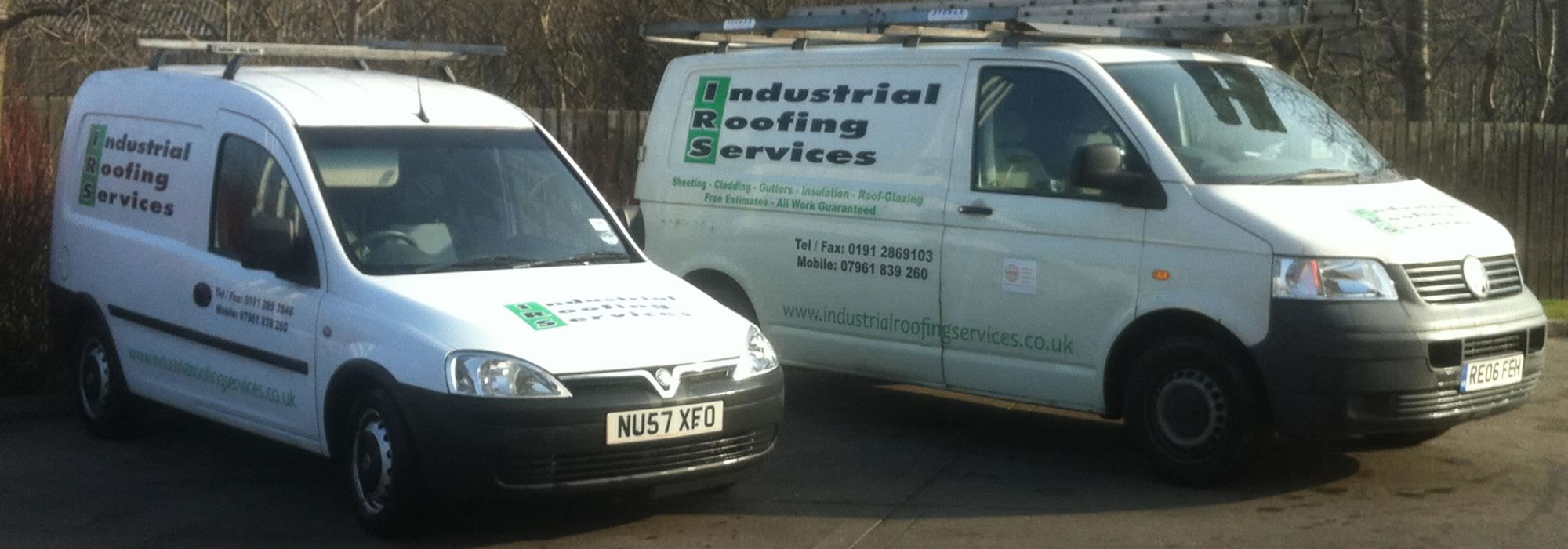
For support with surveys, refurbishment and coating specifications, Industrial Roofing Services (NE) Ltd can help you assess suitability and define a controlled scope. If you want to discuss your roof and the right coating approach for your building, please get in contact.
Summary
A protective coating can be a sound refurbishment strategy when the existing roof is suitable, drainage and details are treated as core scope, and the work is delivered under safe systems of work. Choose a complete, documented system rather than a generic “coating type”, and protect your investment with risk-based inspections, consistent reporting and clear escalation rules.
Frequently Asked Questions
Will a coating stop leaks on its own?
Sometimes, but only if the leak cause is understood and within scope for the chosen system. Recurring leaks, wet build-ups or drainage defects usually require diagnosis and potentially broader refurbishment work.
Can a coating fix ponding water?
No. A coating may tolerate limited standing water depending on system choice, but it does not correct inadequate falls or structural deflection that causes persistent ponding.
Is a “cool roof” finish guaranteed to reduce energy use?
A lighter finish can reduce heat build-up on the roof surface, but the impact on building energy use varies by building, roof build-up, usage patterns and existing services. Treat it as a design consideration rather than a guaranteed saving.
How often should we inspect a commercial roof with a coating?
A common baseline is twice yearly (often spring and autumn), with additional checks after severe weather and after other contractors have accessed the roof. Increase frequency where local risk is higher (trees, pollutants, heavy access).
Can our maintenance team do inspections themselves?
Only if safe access and competence are in place. Roof work is high risk because of falls and fragility hazards; where access is uncertain, use competent professionals and follow safe systems of work.
What should we ask for to prove a coating system is credible?
Ask for a named manufacturer system, documented scope/compatibility, a detailing approach, quality control steps, and a handover pack (including maintenance requirements and warranty/guarantee terms).