

- 07961839260
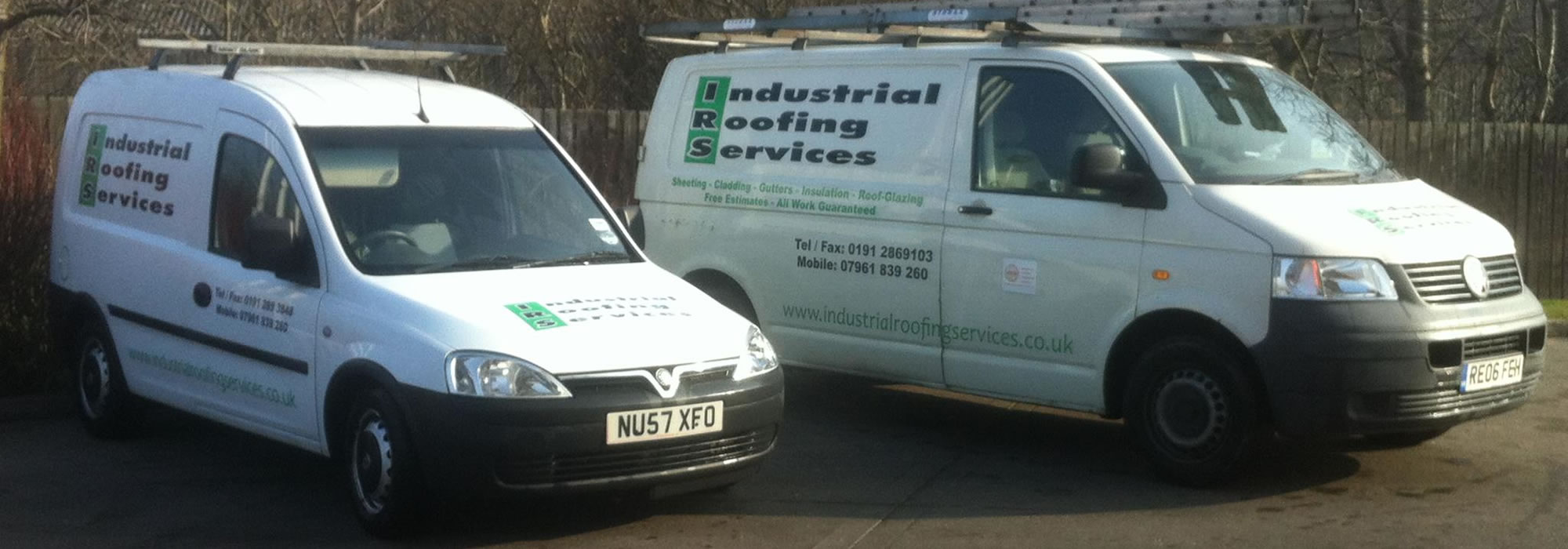
Roof maintenance at a live transport depot is not only a roofing task. It is also a workplace transport, access and operational-coordination problem. Contractors may need scaffolding, mobile access equipment, lifting zones, material deliveries and safe pedestrian routes while depot staff continue moving vehicles, loading goods, servicing fleets or using the building below.
This guide is for transport operators, depot managers, facilities teams and project managers who need to maintain or repair the roof without shutting the entire site. It explains how to separate roofing activity from live vehicle movements, phase work by roof zone, plan access and deliveries, protect building users and decide when a partial or full operational shutdown is the safer option.
The objective is not to make every depot remain fully operational during roof work. It is to determine which activities can safely continue, which need temporary segregation and which must stop while specific roof tasks are carried out.
This guide does not create a site-specific traffic-management plan, lifting plan, construction phase plan or safe system of work. Those controls must reflect the actual depot, vehicle types, roof construction, contractor methods and work scope.
It also does not assume live working is always appropriate. Some roof tasks may require areas below to be vacated, vehicle routes to close temporarily or parts of the depot to stop operating. The correct decision depends on the interaction between the work above and the operational risk below.
Pause the project if contractor access depends on crossing uncontrolled HGV or forklift routes, if lifting operations would conflict with live traffic, if fragile-roof arrangements are uncertain or if the depot cannot maintain fire and emergency routes while the works are in progress.
Escalate where roof work is directly above critical loading bays, vehicle workshops, fuel or charging areas, public transport movements, occupied offices or other zones where falling objects, water ingress or temporary openings could create serious operational risk.
Do not use operational pressure as a reason to accept a compromised safety arrangement. If the site cannot segregate the work safely, a controlled shutdown or different work sequence may be the correct decision.
The roof plan should be read alongside the ground-level operation. A technically simple repair can become high risk if the work area sits above a main vehicle route, loading bay or pedestrian entrance.
Start with a depot map showing:
Then overlay the roof zones above those activities. The result shows which roof areas can be worked on with minimal operational change and which need tighter control.
HSE workplace-transport guidance says traffic routes should be suitable for the people and vehicles using them and organised so both can move safely. Where vehicles and pedestrians share routes, adequate segregation is required.
This applies directly to roof contractors entering a depot. A roofing team may be unfamiliar with vehicle movements, blind corners, reversing areas or site-specific signals. Their welfare cabin or material store should not be placed somewhere that forces workers to cross a busy route repeatedly.
Where possible, create:
The exact layout should reflect actual vehicle movements rather than generic construction-site assumptions.
Divide the roof into manageable work zones and identify the area below each zone. This creates a direct link between roof activity and depot operation.
For each zone, ask:
A phased roof-maintenance plan should show both the roof zone and the operational controls below it.
HSG33 says clients should provide information about existing roof-access arrangements, crane-space restrictions, permit-to-work arrangements, fire precautions and areas where contractor access is prohibited.
For a live transport depot, this can include fixed ladders, hatches, stair towers, scaffold positions, MEWP routes, roof walkways and areas that cannot be approached during operating hours.
The existing commercial roof access strategy guide provides the wider planning framework where the depot needs a safer or more permanent approach to roof access.
Industrial transport buildings can contain rooflights, fibre-cement sheets or other fragile materials. HSE says contractors on business premises should work closely with the client and agree arrangements for managing fragile-surface risks.
The depot operator can provide valuable site information such as previous surveys, known fragile areas, restricted zones and operational constraints. The roofing contractor then needs to develop the safe work method for the actual task.
A transport depot roof condition survey can help establish roof condition, access and known defects before maintenance work is phased around live operations.
Roofing projects add extra vehicles to an already active site. Material deliveries, skips, waste collections, scaffolding lorries, MEWPs and cranes should be integrated into the depot traffic plan.
Where possible:
HSE guidance recommends organising storage and loading areas away from frequent pedestrian activity and using clear site rules for visiting drivers.
Roof works can temporarily change familiar routes. A parked scaffold vehicle, skip or MEWP can reduce sight lines and create new reversing conflicts.
Review each temporary layout as though it were a new traffic system. Check whether vehicles can still turn safely, whether drivers can see pedestrians and whether any temporary obstruction creates a blind corner.
Do not assume depot drivers will automatically adapt to contractor equipment appearing in familiar routes. Communicate changes before the shift begins.
Crane lifts, telehandlers and other lifting operations can create major conflicts with live depot activity. HSG33 specifically highlights restrictions on crane space as information the client should provide.
For each lift, define:
Where the depot cannot maintain safe separation, schedule the lift outside operating hours or during a controlled partial shutdown.
Loading bays and workshops are often difficult roof zones because activity below is frequent and operationally important.
If roof work is directly above a loading bay, consider whether the bay can be taken out of service temporarily. Continuing work overhead while vehicles, trailers or staff use the bay may create unacceptable risk from falling objects, debris or water ingress.
Workshop areas may contain lifts, electrical equipment, exhaust systems and vehicles that cannot simply be moved at short notice. Agree the shutdown sequence before the roof zone is opened.
Some transport operations use permit-to-work systems for roof access, hot works, electrical isolation or restricted areas. HSG33 says relevant client permit arrangements should be included in project information.
The contractor’s own safe system should therefore connect with the depot’s operational controls rather than bypass them.
Where hot works are involved, also coordinate fire precautions, alarms, fire watches and any restrictions created by fuel, charging or workshop activities.
A practical phasing plan can classify each roof zone using one of four operational states.
Roof work is physically separated from live traffic and does not require route changes or closures below.
Barriers, route changes, scheduled deliveries or restricted access are needed while the roof zone is active.
A loading bay, workshop zone, vehicle route or occupied area must close while overhead work, lifting or temporary openings take place.
The task cannot be safely separated from the depot operation and should be completed when the site or affected operation is stopped.
This colour model is a planning aid, not a substitute for the project risk assessment. Its value is that the operations team can see what each roof phase means for the depot.
Live depots can be especially vulnerable to water ingress because workshops, electrical systems, stock or fleet-management operations may sit below the roof.
For intrusive work, agree:
Where operational consequence is high, schedule more intrusive work during lower-use periods even if the roof itself could technically be opened during normal hours.
On live depots, a plan agreed one week earlier may not reflect today’s vehicle volumes, breakdowns, emergency deliveries or operational changes.
A short daily coordination check should confirm:
This helps prevent one team making a last-minute operational change that undermines the safety controls agreed by another.
Live depots change quickly. A broken-down vehicle, emergency delivery, unexpected fleet movement or operational priority can make the agreed construction layout unsuitable within hours. The project therefore needs a simple method for changing routes and work zones without undermining the controls already in place.
Before a route, loading bay or roof zone is changed, confirm who has authority to approve the change and how it will be communicated. Update the site map, barriers and signs before the altered route goes live. Contractors and depot staff should not rely on verbal assumptions that only one shift or one driver has heard.
A controlled-change record can be simple:
This prevents temporary operational pressure from gradually eroding the segregation and access arrangements established at the start of the project.
Treating the contractor compound as spare yard space. It can create new vehicle and pedestrian conflicts if it is placed without transport planning.
Letting deliveries arrive whenever convenient to the supplier. Depot peak periods should control delivery timing.
Planning roof zones without checking what happens below. The operational impact can be more important than the roofing sequence.
Assuming regular drivers will adapt to temporary routes. Route changes need signs, communication and control.
Keeping loading bays open during unsuitable overhead work. Local closure may be the safer and more efficient option.
Using live working as the default. Some activities are better completed out of hours or during a planned shutdown.
Once the immediate work is complete, use the project to improve future maintenance access and planning. Record safe access routes, fragile areas, roof zones, recurring defects and any operational restrictions discovered during the work.
The site’s planned industrial roof maintenance support can help move the depot from reactive repairs to scheduled inspections and maintenance.
The wider transport-sector roofing service provides the commercial context for depots, terminals and other transport facilities where roofing work must be coordinated with live operations.
Start with a roof survey and an operational depot map. Bring the roofing contractor and depot operations team together before mobilisation so roof zones, traffic routes, access, lifting positions and shutdown windows can be agreed as one plan.
Phase the roof by operational impact, not only by roofing convenience. Use normal operation where full separation is possible, temporary controls where risk can be managed, local shutdowns where overhead work conflicts with live activity and out-of-hours working where separation cannot be achieved.
During the works, use daily coordination to confirm active zones, route changes, deliveries, weather and operational changes.
If you need to plan roof maintenance around a live transport site, send the depot and roof details to Industrial Roofing Services to discuss the appropriate survey, maintenance or phased repair approach.
Transport depot roof maintenance succeeds when the roof plan and the traffic plan are coordinated. Vehicle movements, pedestrians, loading bays, lifting operations and contractor access can all change the safest sequence of work.
The strongest approach maps roof zones against live operations, separates vehicles and pedestrians, controls deliveries, protects emergency routes and uses shutdown windows where safe segregation cannot be maintained.
Live working is not the objective. Safe, controlled delivery with the least necessary operational disruption is the objective.
Often yes, if the roofing work can be safely segregated from vehicle, pedestrian and operational activity. Some roof zones may still require local or full shutdowns.
Only where those routes remain suitable and safe, temporary contractor routes may be needed to avoid busy vehicle areas or restricted zones.
Use scheduled delivery windows, site-specific instructions and suitable unloading areas that avoid peak depot activity and pedestrian conflicts.
Close it where overhead work, lifting, temporary roof openings or falling-object risk cannot be safely separated from normal loading activity.
Yes. Fragile surfaces can affect access methods, exclusion zones, working platforms and the amount of roof that can be safely worked on at one time.
It can be the better option where safe segregation from live depot activity is not possible during normal operating hours.
Provide roof-access information, restricted areas, vehicle routes, loading activity, crane-space restrictions, permit systems, fire precautions and other operational constraints relevant to the work.