
- 07961839260
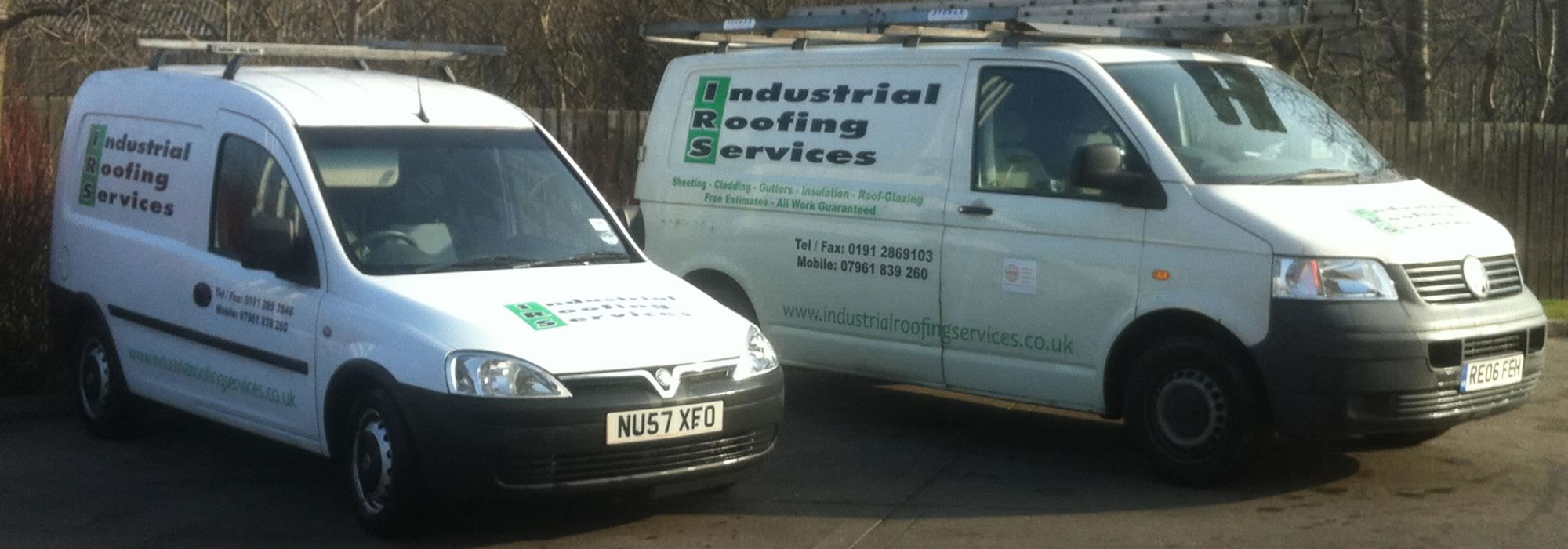
When it comes to roofing for manufacturing facilities, it’s usually best to bring in experienced professionals. Industrial roofing projects involve technical detailing, complex interfaces (plant, ducts, rooflights and services), and significant work-at-height risk. A competent contractor will have the training, equipment and site processes to deliver safe, compliant work without unnecessary disruption.
This blog post sets out ten practical reasons to consider professional roofing services for manufacturing projects.
Extractable summary: Manufacturing roofs are often exposed to heavier use, harsher environments and tighter operational constraints than many other commercial buildings.
Using competent roofing professionals helps reduce avoidable risk, improves build quality and supports better whole-life planning.
A commercial roofing survey is often a sensible starting point, particularly where you need clear condition reporting, defect priorities and practical options before committing to repairs or replacement.
Roofing work is high-risk, and manufacturing sites add extra complexity (traffic routes, overhead services, restricted areas and live operations). Professional roofing contractors are trained to plan and manage these risks, using suitable access equipment and safe systems of work to help keep people and property protected.
By following recognised good practice and using appropriate equipment, professionals can help reduce the risks associated with roofing work. Here are some common hazards and how they are typically managed:
For manufacturing sites, good safety planning also includes clear site rules, segregation from vehicle routes, and communication with operations teams so work can proceed without introducing new hazards.
Roofing in manufacturing settings often requires specialist knowledge to ensure the roof performs reliably over time. Professional contractors understand how to design, install and maintain systems that suit the demands of industrial buildings, including loading, moisture control, thermal performance, chemical exposure and fire performance.
They also have experience across a range of systems and can recommend solutions that match the building’s use, budget and operational constraints.
Manufacturing facilities may carry rooftop plant, walkways, ducting and service routes that affect loading and access. Professional contractors can assess these factors and specify suitable detailing and strengthening measures where needed, without compromising the roof’s integrity.
Temperature stability matters for many manufacturing processes. Professionals can advise on insulation build-ups, vapour control layers and ventilation requirements to support energy performance and reduce condensation risk, especially in buildings with high internal humidity or temperature variation.
Some manufacturing operations involve fumes, oils or airborne contaminants that can affect certain materials. Professional contractors can help select membranes, coatings and detailing approaches that are more suitable where chemical exposure is a realistic concern.
Fire safety is a key consideration for industrial buildings. Professional roofing contractors can specify systems that align with relevant fire performance expectations for the building type and roof build-up, and coordinate roof interfaces so fire-stopping and compartmentation strategies are not undermined by poor detailing.
Professional contractors understand the strengths and limits of different systems and can install them correctly. Whether it’s metal, single-ply membranes, or built-up roofing systems, correct specification, fixing, laps, and terminations are critical to performance and service life.
Established contractors usually have proven supply routes and can source materials that suit industrial exposure. Material selection should be based on the roof’s design, maintenance access, internal environment and the type of work (repair, overlay or replacement).
Common system types for manufacturing environments can include:
Professional contractors can help improve long-term value by reducing avoidable defects, supporting better material choices, and planning work around operational needs. Cost outcomes depend on the roof’s condition, access constraints and the chosen system, but professional input can help prevent expensive surprises later.
Here are seven ways professionals can help protect budgets:
Timely roofing work is important for manufacturing sites, where downtime can impact production schedules. Professional contractors have the resources to plan sequencing, manage interfaces and complete work efficiently, aiming to minimise disruption to your operations.
For complex or high-level roofs, drone roof inspection can support early assessment and planning, particularly where access is difficult or you want to identify obvious issues before arranging intrusive checks.
Good time efficiency should never come at the expense of safety or detailing; shortcuts on roofs often lead to repeat problems later.
Manufacturing facilities in the UK must consider a range of duties and standards relating to health and safety, energy performance and environmental responsibilities. Roofing works are typically planned with reference to relevant requirements such as the Work at Height Regulations 2005 and CDM 2015, alongside Building Regulations where applicable (including Parts A, B and L depending on the project scope).
Professional roofing contractors are familiar with typical compliance expectations for industrial roofs and can help align the work with appropriate documentation, safe systems of work and suitable specifications, reducing the likelihood of avoidable non-compliance issues.
Key compliance areas commonly considered on industrial roofing projects include:
Across Newcastle upon Tyne and the wider North East, industrial roofs are regularly exposed to driving rain, gusting winds and seasonal temperature swings. These conditions can accelerate wear at laps, gutters, upstands and penetrations, particularly on large-span roofs with multiple interfaces and rooftop services.
Local planning also matters: access routes, neighbour considerations, noise controls and working hours can all affect how roofing works are staged on live manufacturing sites.
Working with contractors who have genuine industrial roofing experience offers clear advantages on manufacturing projects, where build-ups, interfaces and operational constraints can be unforgiving. Key benefits can include:
Professional roofing contractors focus on workmanship that supports long-term performance. That typically means correct preparation, compatible materials, careful detailing at edges and penetrations, and robust weatherproofing.
They also understand how industrial requirements affect the roof build-up, including ventilation, waterproofing and industrial roof insulation, which can influence energy performance and condensation risk.
Quality workmanship extends beyond installation. A sensible inspection and planned roof maintenance approach can help identify small issues early (such as damaged flashings, blocked outlets or cracked sealants) before they develop into disruptive leaks.
Professional roofing contractors may offer warranties and carry insurance coverage that helps protect you and your building. The exact scope varies, so it’s important to confirm what is included, any maintenance requirements, and what evidence is needed if a defect is reported.
Appropriate insurance (such as public liability and employers’ liability) helps manage financial risk if accidents or property damage occur during the project. For manufacturing sites, this is particularly important where live operations, third-party access and high-value equipment are involved.
Good contractors communicate clearly, coordinate sensibly with your site team, and keep you informed on progress, access needs and any issues discovered during the works. This helps reduce surprises, supports safer working, and makes it easier to keep manufacturing operations running while roofing work is underway.
Not always. Many projects can be phased to reduce disruption, but it depends on access routes, noise, dust control, and whether any areas need to be isolated for safety. A clear programme and site coordination are essential.
Condition, moisture levels, deck integrity, previous repairs and system compatibility all influence the best option. A proper inspection (and sometimes intrusive checks) helps avoid guesswork and supports a decision that fits the building’s use.
Roof access should be controlled. If you need routine checks, ensure there are safe access arrangements and that anyone going onto the roof is authorised, trained and using appropriate fall protection where required.
Recurring leaks, ponding water, damaged flashings, cracked seals around penetrations, blocked outlets, and internal signs of condensation can all indicate underlying issues that should be assessed promptly.
Professional roofing services for manufacturing projects bring clear benefits: safer work planning, specialist technical knowledge, better material selection, and a more reliable route to compliance and long-term performance. They can also help you plan work to reduce operational disruption and protect your asset over its working life.
If you have questions about an industrial roofing project or want to discuss the most appropriate next step, speak to our team. We can help you assess options and decide when it’s time to bring in on-site support.